Last updated November 25, 2026
Free roof inspection with deck photos before we talk money - GAF and Owens Corning certified installation
DIY vs Professional Roofing: The Bellevue Homeowner’s Decision Guide
Washington State lets a homeowner pull a roofing permit for the home they live in. That’s true, and it’s the fact most DIY roofing advice stops at. The harder question is what happens years later, when you sell a Bellevue home and the roof you installed becomes a disclosure item a buyer’s inspector will ask about. A roof installed by the owner can slow a sale, invite renegotiation, or trigger a repair demand you didn’t budget for. This guide covers what the owner-builder permit actually allows, which roofing tasks are genuinely yours to do, which void your manufacturer warranty, and how the real cost comparison shakes out once you count permits, disposal, tools, and resale exposure.
Quick Answer
In Bellevue, routine roof maintenance is fair game for a careful homeowner, but a full replacement almost always belongs with a licensed professional. Washington’s owner-builder permit legally lets you reroof your own primary residence, yet doing so exposes you to warranty voids, inspection risk, and a disclosure headache at resale that usually costs more than hiring the job out. The tasks worth doing yourself are small ones: moss treatment, gutter clearing, and temporary tarping while you wait for an estimate.
Styles & brands we work with
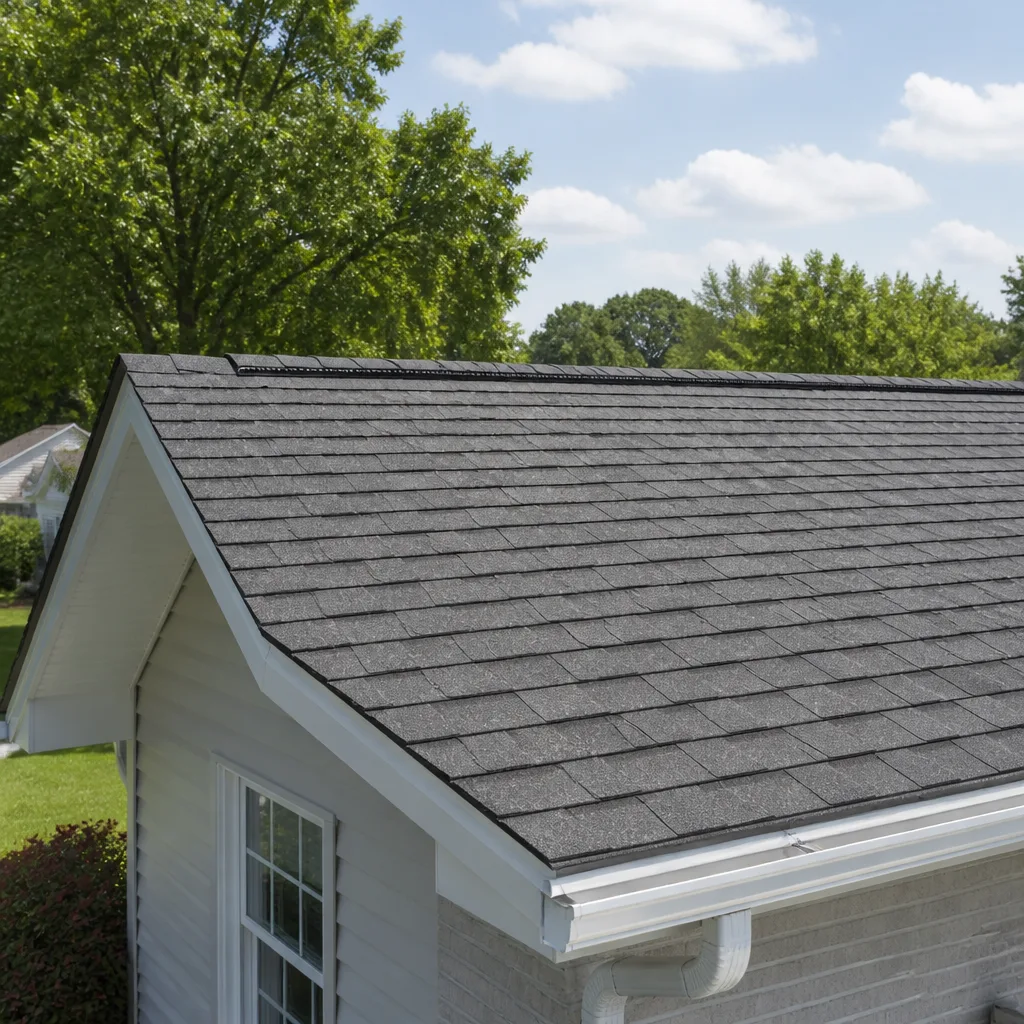
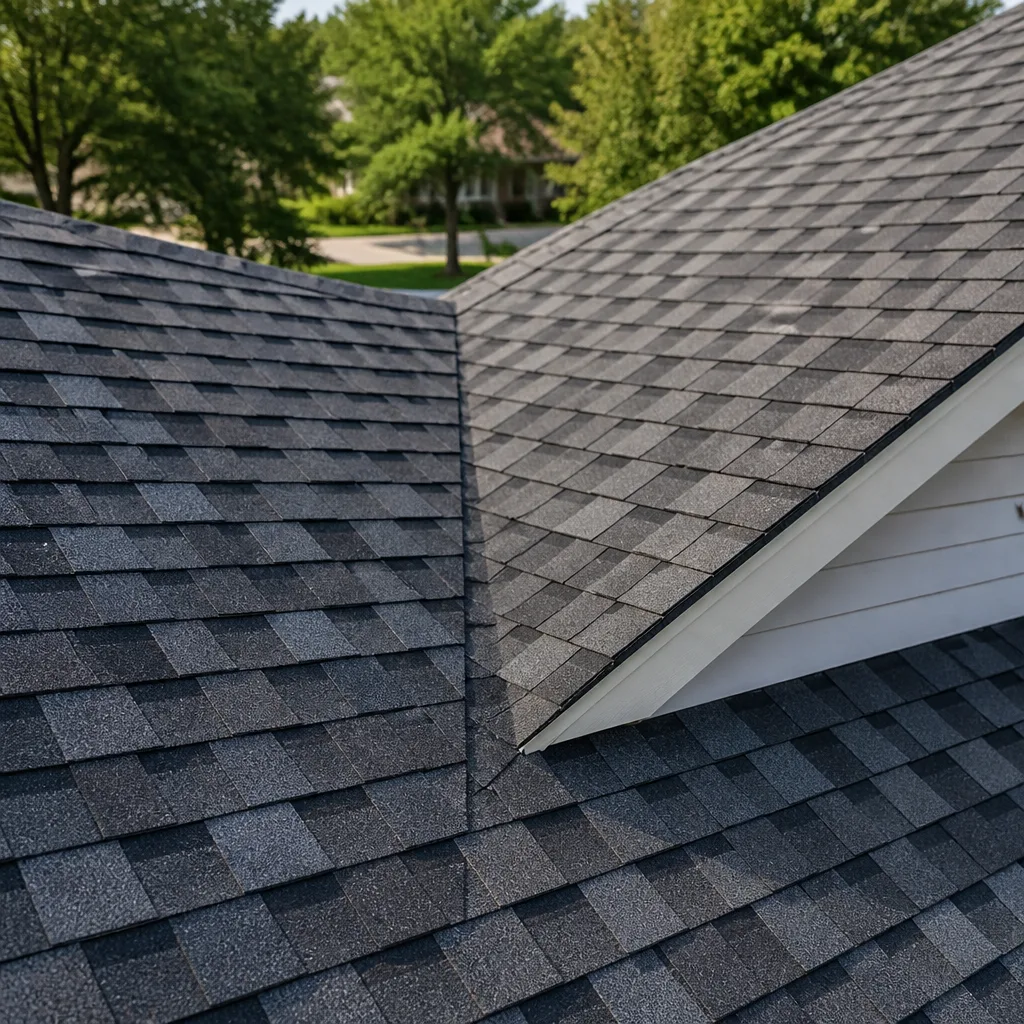
- Architectural shingles
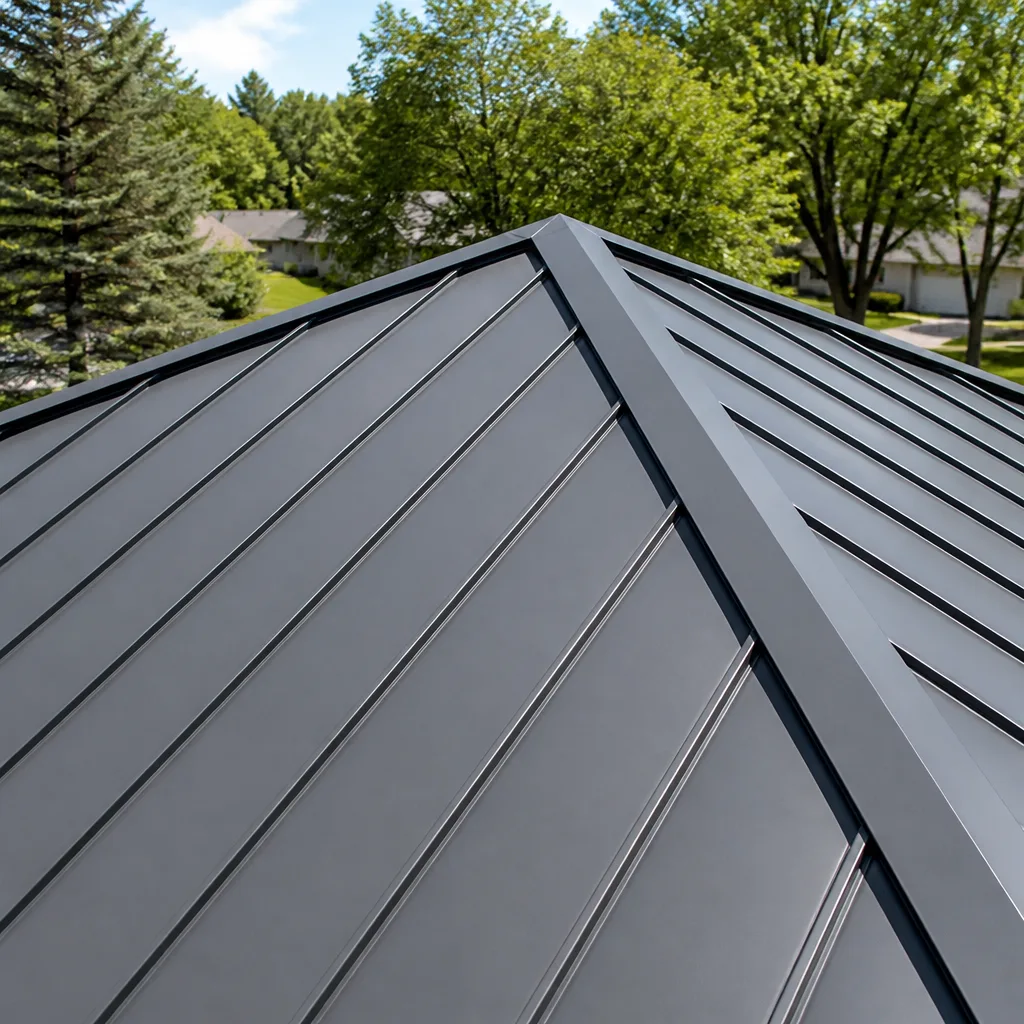
- Metal roofing
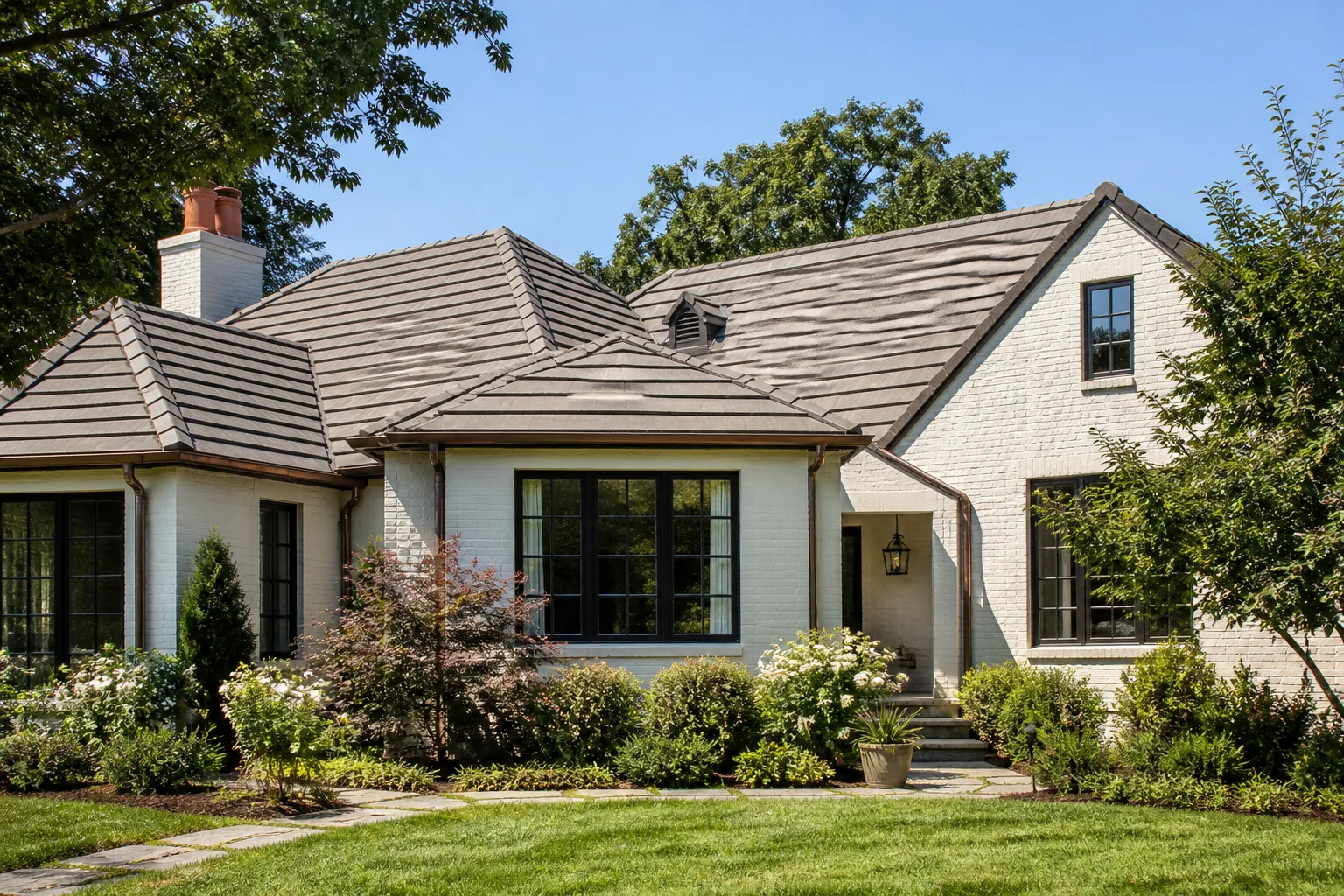
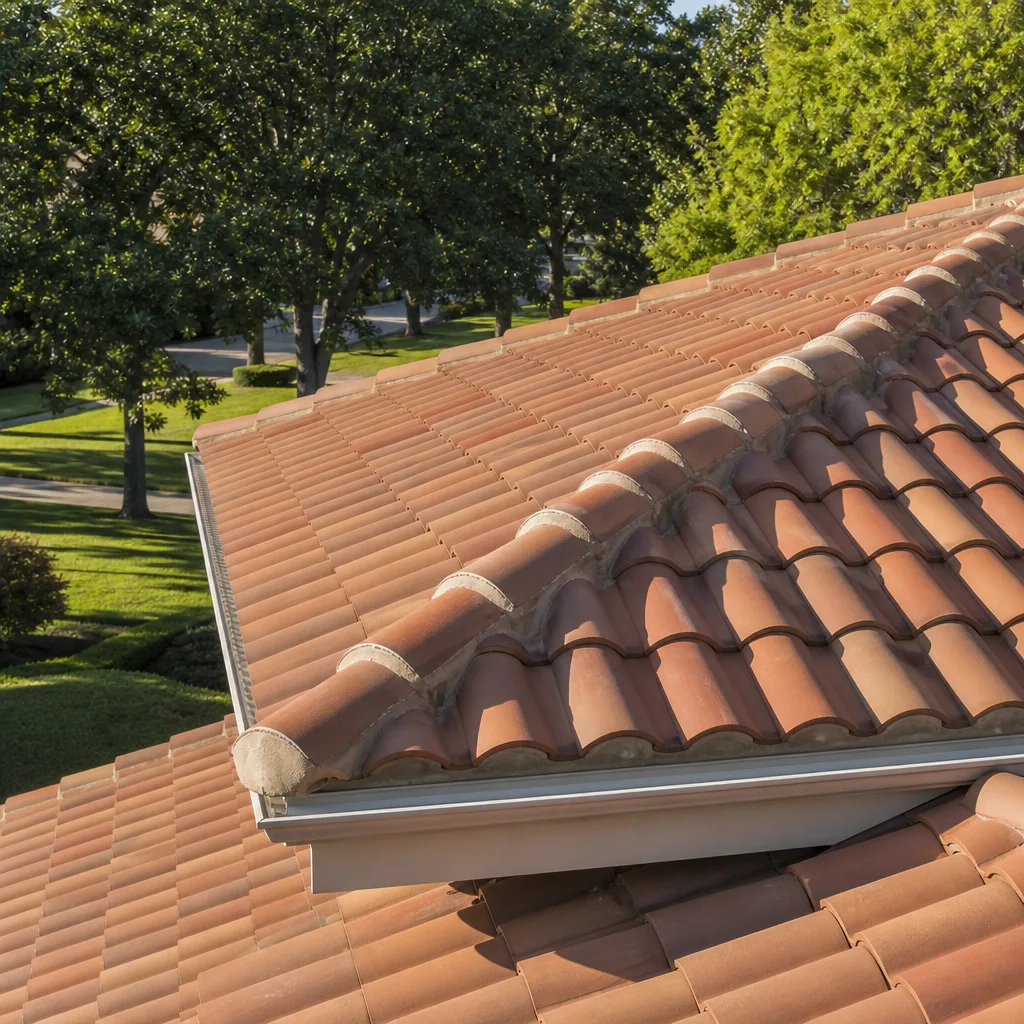
- Tile roofing
- GAF
- Owens Corning
- Flat & low-slope
Table of Contents
- What Washington’s Owner-Builder Permit Actually Permits
- Which Roofing Tasks Are Genuinely DIY-Appropriate in Bellevue
- How DIY Installation Voids Manufacturer Warranties
- The Real Cost Comparison: DIY vs Professional
- Resale and Insurance Consequences in King County
- Material Choice Changes the DIY Math
- Common Mistakes to Avoid
- Frequently Asked Questions
What Washington’s Owner-Builder Permit Actually Permits
Washington’s owner-builder exemption lets you act as your own contractor on a home you own and occupy, and that includes pulling a roofing permit in your own name. The word that trips people up is “replacement.” Patching a few damaged shingles is maintenance. Tearing off and installing a new roof surface is replacement, and replacement generally requires a permit from the city or county having jurisdiction over your address. Whether a given job crosses that line depends on scope, so the reliable move is to call the City of Bellevue’s building department before you buy materials and ask them directly.
What the exemption does not do is hand you a contractor’s license. It also doesn’t apply to a rental, a flip, or a second home, and it doesn’t cover work you do for someone else. If you’re unsure whether your property qualifies, that’s a question for the permit office, not a forum thread.
Two practical distinctions matter most in Bellevue:
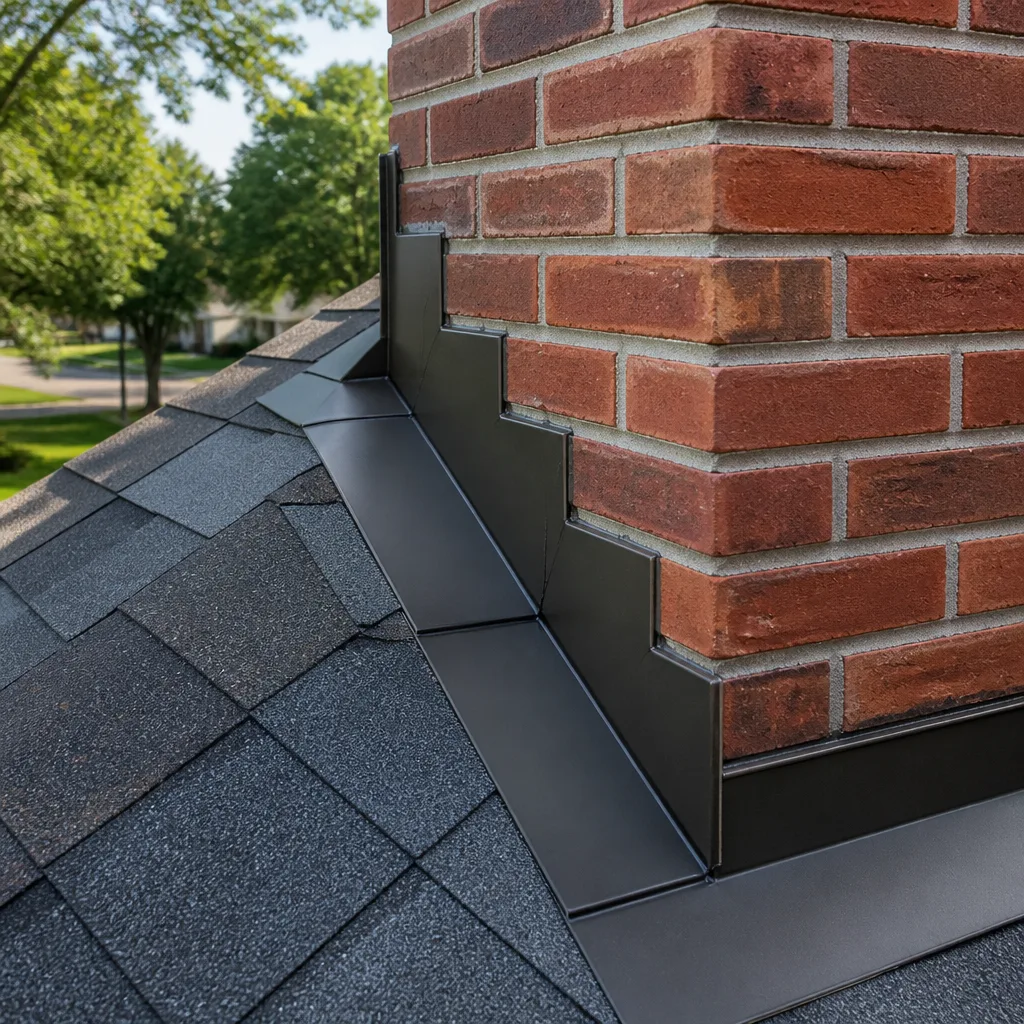
- Maintenance vs. replacement. Clearing debris, treating moss, resealing flashing around a chimney, and replacing a handful of cracked shingles are typically maintenance. A full tear-off and re-cover is replacement and generally needs a permit.
- Repair vs. structural change. Replacing decking, altering the roofline, or changing ventilation strategy moves into structural territory where an inspection is almost always required.
One more thing homeowners underestimate: when you pull the permit yourself, you also own the inspection. If the work fails inspection, you’re the one scheduling the re-inspection and paying for corrections. A licensed professional carries that risk as part of the job, which is a large part of what you’re paying for.
Which Roofing Tasks Are Genuinely DIY-Appropriate in Bellevue
Bellevue’s wet winters and shaded lots make moss a year-round concern, and moss treatment is one of the few roof tasks where a homeowner with good ladder habits can genuinely save money. So is gutter clearing and temporary tarping after a storm. Those are the tasks worth your own time. Everything that involves walking a pitched roof at height, pulling shingles, or working around penetrations belongs with a trained professional, because a fall from a two-story Bellevue home is a serious injury and the roof itself is unforgiving of small errors.
Here’s a simple rule of thumb for dividing the work:
- Yours to do safely: moss treatment with a product rated for your roof material, debris removal from valleys and gutters, tightening a loose gutter hanger, and photographing damage from the ground.
- Yours only with the right gear and a low-slope, easily accessed section: temporary tarping after a storm, always anchored so wind can’t lift it.
- Not yours: replacing flashing, pulling and reinstalling shingles, working on tile or metal systems, and anything requiring you to be on the roof in wet or windy conditions.
If you’re going to treat moss yourself, match the product to your roofing material. Zinc-based powders and harsh cleaners can stain or degrade certain surfaces, and a product safe on asphalt shingle may not be safe on metal or tile. When you’re unsure, ask a roofing professional before you apply anything. It’s a short conversation that saves you from an expensive mistake. Our technicians have up to 8 years of experience and can tell you in minutes whether your roof type tolerates a given cleaner.
How DIY Installation Voids Manufacturer Warranties
Manufacturers like GAF and CertainTeed structure their strongest warranties around installation by a credentialed contractor. When a roof is installed outside that framework, the warranty you’re counting on can be reduced or voided entirely. This matters more in Bellevue than in a dry climate, because the moisture here means warranty claims are more likely to come up at all. A roof that would sit quietly for years in a desert still gets tested by Bellevue’s rain, and the moment you need to make a claim is the moment you find out whether your coverage survived the installation.
Warranty exposure shows up in a few places homeowners don’t expect:
- Material defects. If shingles fail prematurely, the manufacturer’s remedy often depends on documented professional installation.
- Workmanship. Workmanship coverage, which is what actually protects you against leaks from installation error, is typically tied to the installer, not the material. A DIY install has no workmanship warranty behind it.
- Ventilation and underlayment. Warranties frequently depend on correct underlayment and attic ventilation being in place. If those weren’t done to spec, the claim can be denied regardless of who installed the shingles.
This is one of the reasons material breadth matters. When a contractor installs across multiple brands, including GAF, Owens Corning, CertainTeed, and Boral, the recommendation follows your budget and your roof rather than what happens to be on hand. We work with seven manufacturer brands so you choose the product that fits your roof, and the warranty path stays intact because the install happens inside the manufacturer’s credentialed framework.
The Real Cost Comparison: DIY vs Professional
The honest headline is that DIY roofing looks cheaper than it is, and professional roofing looks more expensive than it is. Both sides of the ledger leave things out. Materials are the visible cost either way, but the DIY side also carries permit fees, tool rental or purchase, disposal of old roofing, and your own time. The professional side bundles labor, disposal, permit handling, and warranty coverage into a written estimate, which means the line-item comparison is closer than it first appears once the hidden costs land.
Here’s how the two sides actually break down:
- DIY side, frequently forgotten: permit fees, dumpster or transfer-station disposal for old material, ladder and safety equipment, specialty tools like a shingle nailer or flashing brake, and the cost of a redo if inspection fails.
- Professional side, frequently overlooked as value: permit pulled and inspection passed, disposal included, workmanship warranty, manufacturer warranty kept intact, and the liability for a leak staying with the contractor rather than your homeowner’s policy.
We don’t publish a single DIY-vs-professional price comparison because materials, pitch, and roof size swing the number too widely to be honest. What’s consistent is the shape of the ledger: the DIY savings shrink as the roof gets larger, steeper, or more complex, and they disappear entirely if you have to redo part of the job. A written, line-item estimate is the only way to compare your two real options. Pricing is set per job by the written estimate, and the estimate itself is free.
Resale and Insurance Consequences in King County
Seller disclosure in Washington requires you to disclose material facts about the property, and an owner-installed roof is exactly the kind of fact a buyer’s agent will ask about. That’s where a DIY roof earns its reputation as a resale problem. A buyer’s inspector flags the roof, the buyer asks who installed it, and the answer (“the previous owner, on an owner-builder permit”) can turn into a request for a professional inspection, a price reduction, or a repair credit. Any of those can exceed what a professional install would have cost in the first place.
Insurance is the other side of the same coin. Many carriers ask about roof age and installation when writing or renewing a policy, and some want documentation. An owner-installed roof without a professional paper trail can complicate that conversation. On a Bellevue home, where roofs take a real beating from winter rain and moss, an insurer’s willingness to cover a claim can hinge on whether the roof was installed correctly in the first place.
If you’re weighing whether to sell in the next few years, this is the single strongest argument for professional installation: the resale and insurance paper trail is part of what you’re buying. A full replacement done by a licensed professional with a written estimate and passed inspection is a resale asset, not a disclosure liability. If you’re planning ahead for a sale, our guide to roof replacement walks through what buyers and inspectors actually look at.
Material Choice Changes the DIY Math
Asphalt shingle is the most forgiving material to install and the most commonly attempted DIY roofing project, but forgiving isn’t the same as easy. Tile and metal are a different story entirely: both involve systems, fasteners, and detailing where a small error creates a large leak, and neither is a reasonable DIY job for a homeowner. That material divide is where most Bellevue homeowners should make their decision, before they price a single bundle.
How the three main materials compare for a DIY attempt:
- Asphalt shingle: the most DIY-attempted material. Still requires correct underlayment, flashing, and nailing pattern, and errors show up as leaks two or three winters later.
- Tile: heavy, breakable, and dependent on a proper underlayment system. A poor tile install can leak from day one and is expensive to correct.
- Metal: panel and fastener systems where the detailing is the whole job. Panel alignment, fastener torque, and flashing at penetrations are unforgiving.
Because shingle, tile, and metal all have real trade-offs for a Bellevue roof, the material decision deserves a conversation with someone who installs all three. We install all three, so we can walk you through the honest trade-offs on your specific roof rather than steering you toward whichever material we happen to handle. Shingle, tile, or metal, the goal is the same: a roof that fits your budget and this climate. Our shingle roofing guide digs into the most common material in detail.
If you’re building new rather than replacing, the calculus shifts again, because there’s no old roof to tear off and the entire system is being designed from scratch. That makes professional installation even more central, and our page on new roof installation covers how that project differs.
Why Bellevue’s Climate Raises the Stakes
Bellevue sits in a wet, temperate climate with cool, rainy winters and long, damp shoulder seasons, and that shapes the roofing risk more than any single storm. Moss and algae thrive in the shade and moisture, water finds every flashing error, and an attic that isn’t ventilated correctly turns into a condensation problem. A roof installed correctly here handles all of that. A roof installed with a shortcut does not, and the consequences surface slowly, often a season or two after the job is “done.”
The weather patterns a Bellevue homeowner should keep in mind:
- Wet winters. Extended rain means a flashing or underlayment error that might stay dry in a sunnier climate becomes an active leak here.
- Shaded lots. The tree cover in many Bellevue neighborhoods keeps roofs damp longer, which is why moss is a recurring maintenance item rather than an occasional one.
- Freeze events. Cold snaps can stress gutters, valleys, and any detail that holds standing water.
What that means for a DIY decision: the margin for error is narrower than in a dry climate. If you’re going to do a task yourself, choose one where a mistake is cheap to fix. Moss treatment qualifies. Replacing a section of flashing, where a mistake drips into your ceiling, does not.
When to Call a Professional
Call a professional when the work involves replacement rather than maintenance, requires a permit, or touches tile or metal. That covers full replacements, structural repairs, flashing around chimneys and skylights, and any job where a leak is already inside the home. Call when you can’t safely reach the roof, when the pitch is steep, or when weather makes the surface slippery. And call when you’re planning to sell in the next few years, because the paper trail matters at resale.
Roofing Bellevue Pros offers free estimates in Bellevue and works across asphalt shingle, tile, and metal, installing brands that include GAF, CertainTeed, Owens Corning, and Boral. We’re roofing-only, which means this is the trade we focus on every day. Roofing is all we do, which means it’s all we have to get right. Call (425) 699-1466. We answer 24/7. Fast dispatch from 7am to 7pm, Sunday through Friday.
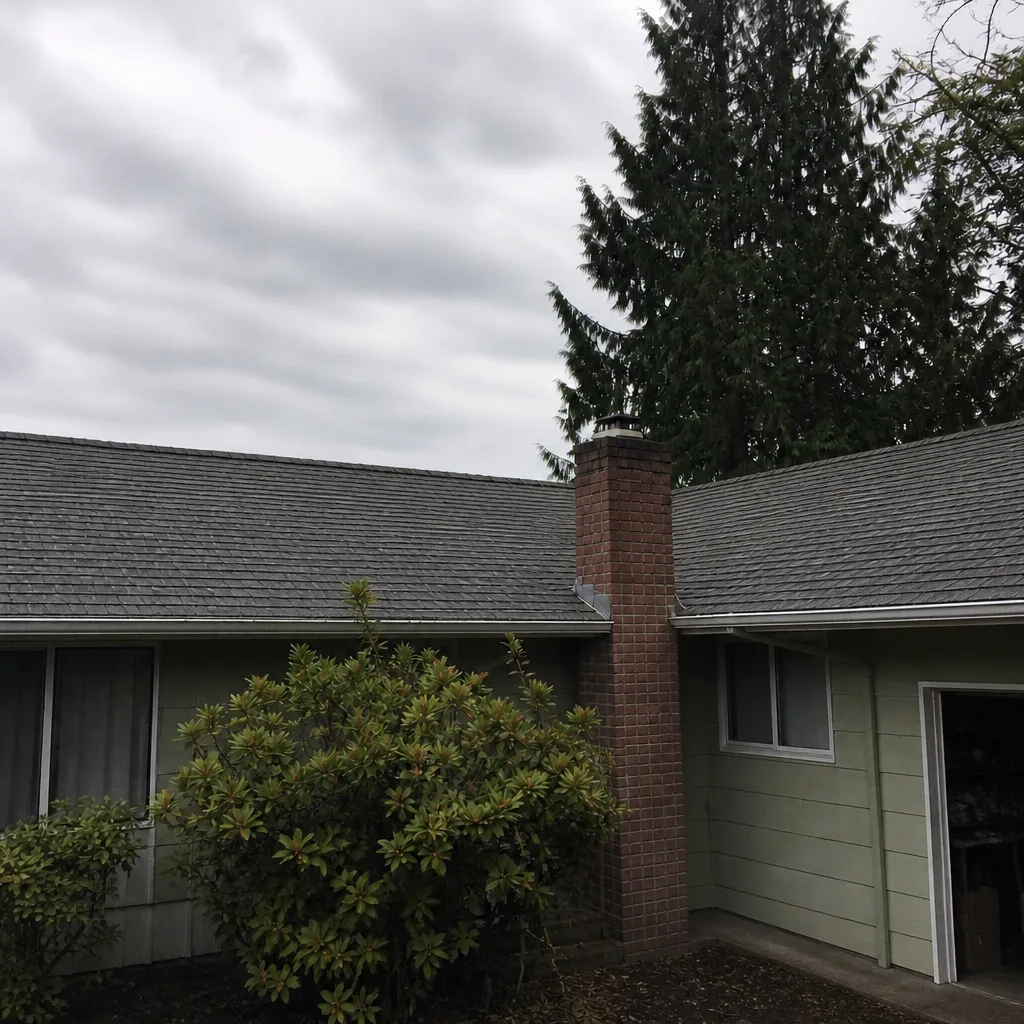
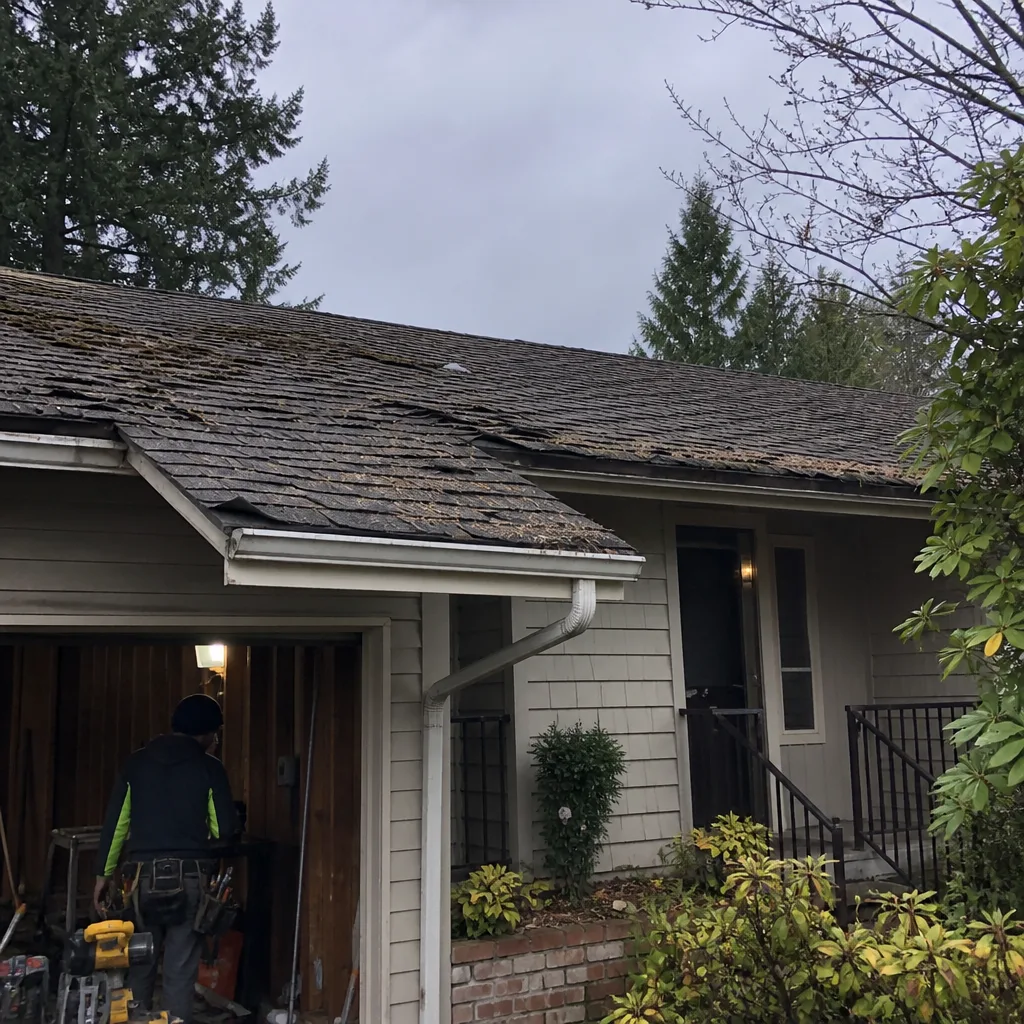
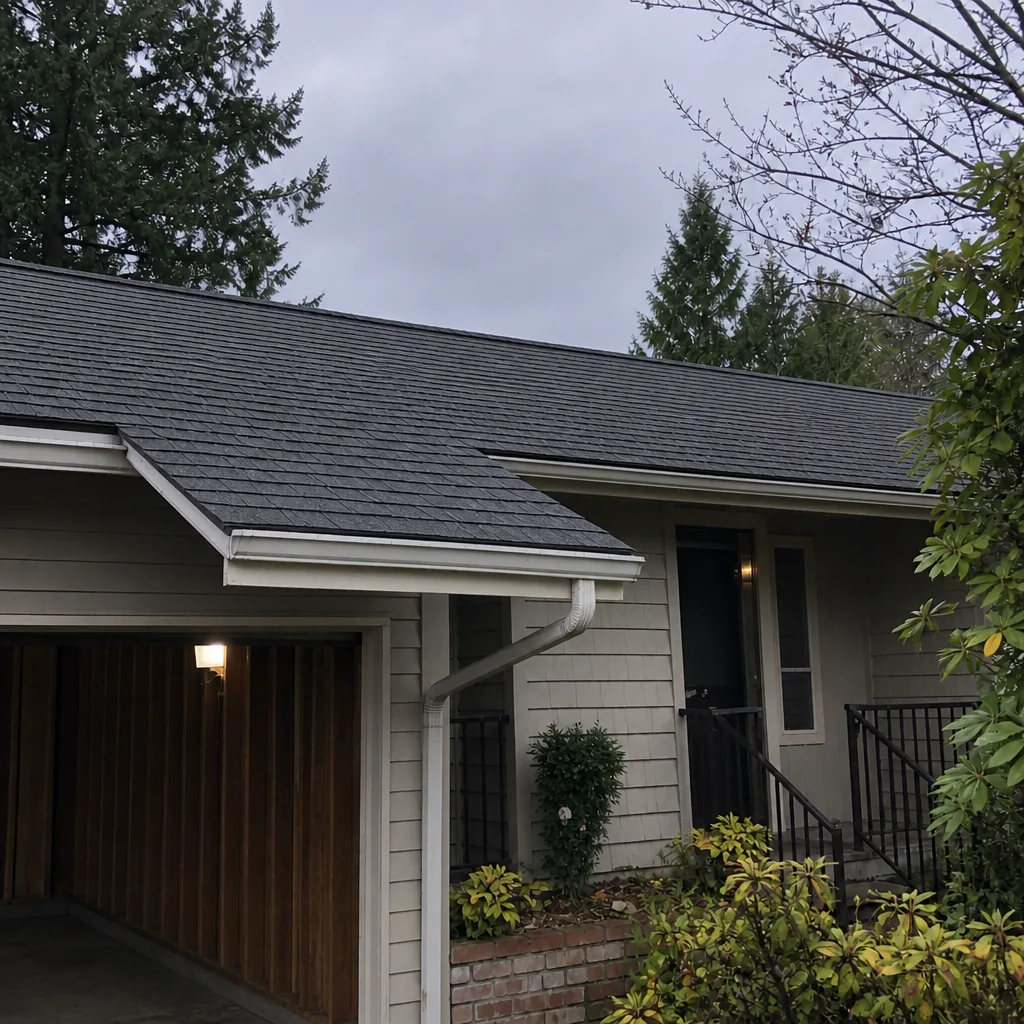
See the difference
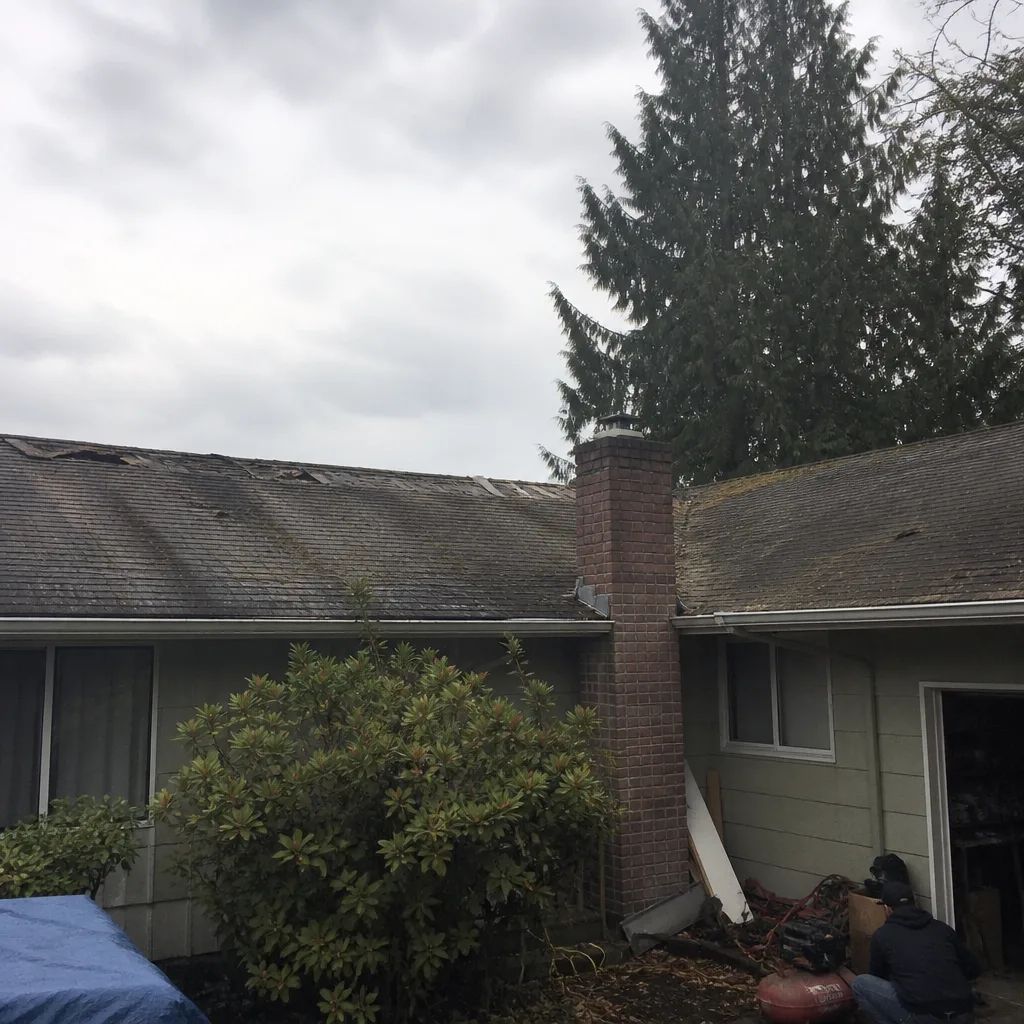 Before
 After
 Before
 After
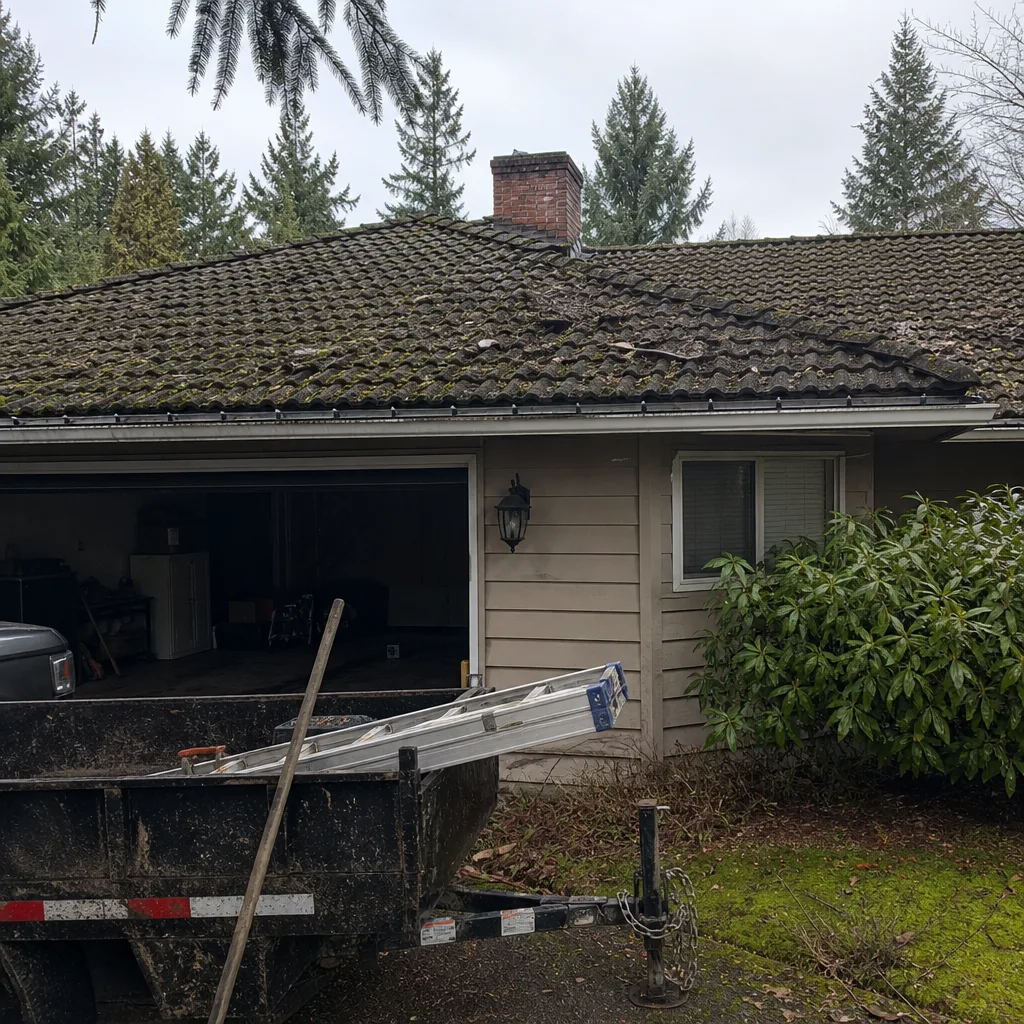 Before
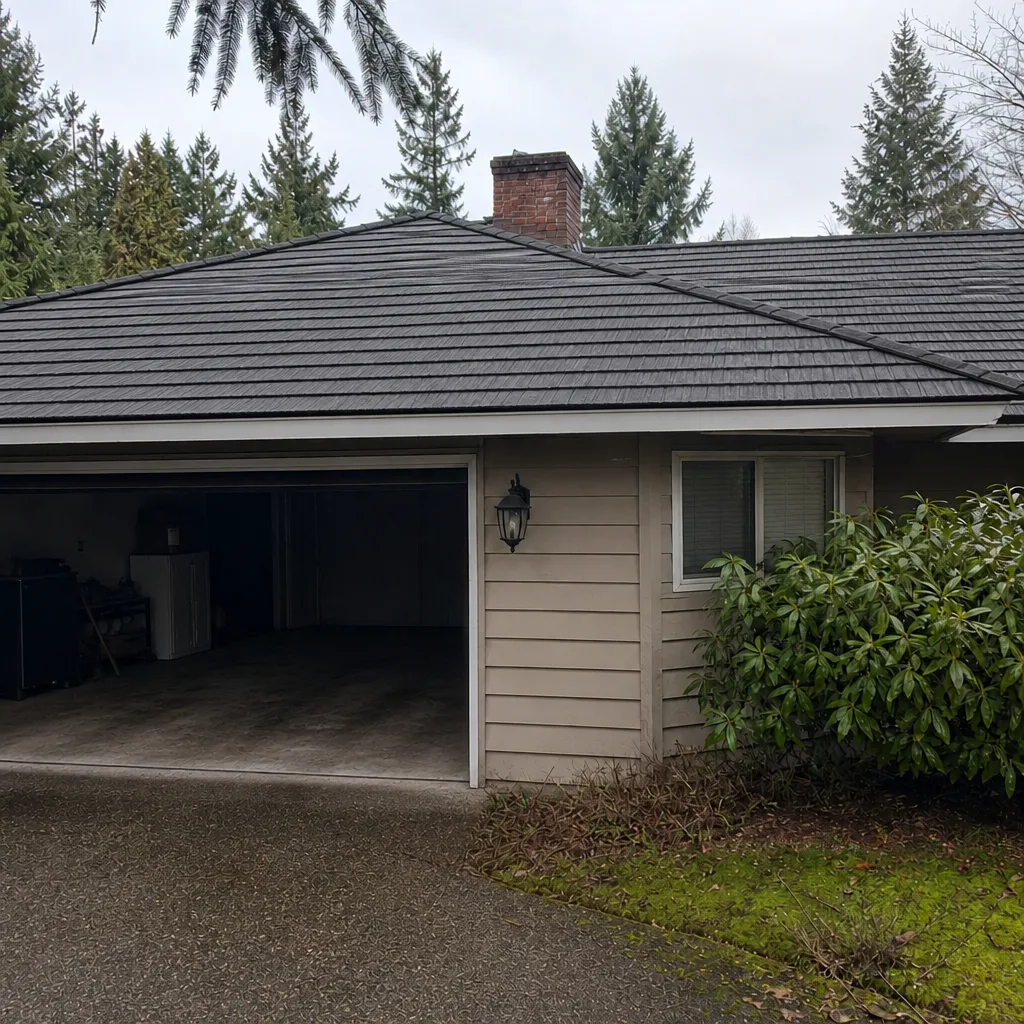 After
Common Mistakes to Avoid
- Assuming the owner-builder permit covers everything. It covers your primary residence when you do the work yourself. It does not cover a rental or second home, and it doesn’t make a full replacement exempt from permit requirements.
- Buying materials before checking the permit. Confirm scope and permit status with the City of Bellevue before you load up on shingles, because returning unopened bundles after a plan change is a headache.
- Treating a roof replacement as a weekend project. A Bellevue roof takes a skilled crew several days and weather windows you can’t control. An unfinished roof during a rainy stretch is a far worse problem than a leak.
- Ignoring the manufacturer’s warranty path. A DIY install may void the strongest coverage you were counting on, and that’s the coverage you’ll want most in a wet climate.
- Using the wrong moss product. A cleaner safe on one material can stain or degrade another. Match the product to your roof, or ask a professional.
- Skipping the resale plan. An owner-installed roof shows up in disclosure and can invite a buyer’s repair demand. If a sale is on the horizon, that’s a cost to factor in now.
- Working a pitched roof alone. Falls are serious injuries, and no shingle job is worth one. If you can’t reach a section safely, that task is no longer DIY.
Frequently Asked Questions
Yes, in limited cases. Washington’s owner-builder exemption lets you pull a roofing permit and do the work on your primary residence, provided you meet the permit and inspection requirements from the City of Bellevue. The exemption does not cover rentals, second homes, or work for someone else, and a full replacement is a genuine project. Most homeowners should compare the resale and warranty consequences against the labor savings before deciding. Call (425) 699-1466 for a free estimate if you’d like to compare it to a professional quote.
It can, and that’s the part most DIY guides skip. Washington’s seller disclosure requires you to disclose material facts, and an owner-installed roof is exactly what a buyer’s inspector will ask about. Some buyers respond by requesting a professional inspection or a price credit. If a sale is likely in the next few years, professional installation keeps the paper trail clean. Call (425) 699-1466 for a free estimate.
It can reduce or void the strongest coverage, especially for material defects and workmanship. Manufacturers structure their best warranties around credentialed installation, and an install outside that framework may not qualify. In a wet climate like Bellevue’s, where warranty claims are more likely to matter, that’s a real risk. Call (425) 699-1466 to talk through what the warranty requires on your roof.
Moss treatment, gutter clearing, debris removal from valleys, and temporary tarping after a storm are the realistic DIY tasks. Anything that requires pulling shingles, replacing flashing, or working on tile or metal belongs with a trained professional. If you can’t reach the area safely, the task is no longer DIY. Call (425) 699-1466 if you’re unsure where a job falls.
Pricing depends on roof size, pitch, material, and how much underlayment or decking needs attention, so there’s no single honest number. The reliable way to compare your options is a written, line-item estimate from a licensed professional. Pricing is set per job by the written estimate, and the estimate is free. Call (425) 699-1466 to schedule yours.
Only on small, simple jobs where a mistake is cheap to fix. Once you add permit fees, tool rental, disposal of old roofing, and any resale or warranty exposure, the DIY savings shrink fast, and they disappear entirely if part of the job has to be redone. The real cost comparison favors professional installation on any full replacement. Call (425) 699-1466 for a free estimate.
Is DIY Roofing Worth It in Bellevue?
The tasks worth doing yourself in Bellevue are the small ones: moss treatment, gutter clearing, temporary tarping. The tasks that carry real liability are the big ones, and those belong with a licensed professional. Washington’s owner-builder permit lets you do the work legally, but it doesn’t protect your manufacturer warranty, it doesn’t reset the resale disclosure conversation in King County, and it doesn’t give you an inspector’s sign-off for free. Between warranty coverage and resale exposure, professional installation usually wins on cost once the hidden line items are on the table.
The useful next step isn’t a decision, it’s a number. A written, line-item estimate tells you exactly what professional installation would cost on your roof, and then you can compare it honestly against the DIY path. Estimates are free, and the written estimate sets the final price. We install shingle, tile, and metal, and we work with seven manufacturer brands so the recommendation follows your budget, not a single brand’s inventory. If you’d like a straight explanation of your options, Roofing Bellevue Pros is ready to walk you through it.
Call (425) 699-1466 now. We answer 24/7. Fast dispatch from 7am to 7pm, Sunday through Friday. We’re closed on the Sabbath, so a call on a day we’re closed is booked into the next opening. The estimate is free, and you’ll get a written line-item quote before any work begins.
Written by the team at Roofing Bellevue Pros.