Last updated November 25, 2026
Free roof inspection with deck photos before we talk money - GAF and Owens Corning certified installation
Roofing Permits, Codes & Inspections in Bellevue, WA: What You Need to Know
Most homeowners assume a roofing permit is a formality, something the contractor handles quietly in the background while the real work happens on the roof. In Bellevue, that assumption carries an unusual amount of weight. A roof replacement done without a city permit isn’t just a code violation – it becomes a material fact that has to be disclosed when you sell, and title companies reviewing King County closings are increasingly flagging unpermitted roofing work during escrow. This guide walks you through exactly when Bellevue requires a permit, how the city’s local amendments to the building code change what goes under your shingles, what inspectors actually look for, and how Eastside HOA rules layer on top of city requirements. If you’re planning a roof replacement in Bellevue, this is the paperwork side you don’t want to get wrong.
Quick Answer
In Bellevue, WA, most roof replacements and all new roof installations require a building permit from the City of Bellevue Development Services Department, though a narrow set of minor repairs can qualify for an exemption. The city applies its own amendments to the Washington State Building Code, including stricter underlayment and ice-and-water barrier rules than the state minimum, and work is inspected in stages as it progresses. Unpermitted roofing is a disclosure problem at resale and can complicate insurance claims, which is why the permit step is worth getting right the first time.
Styles & brands we work with
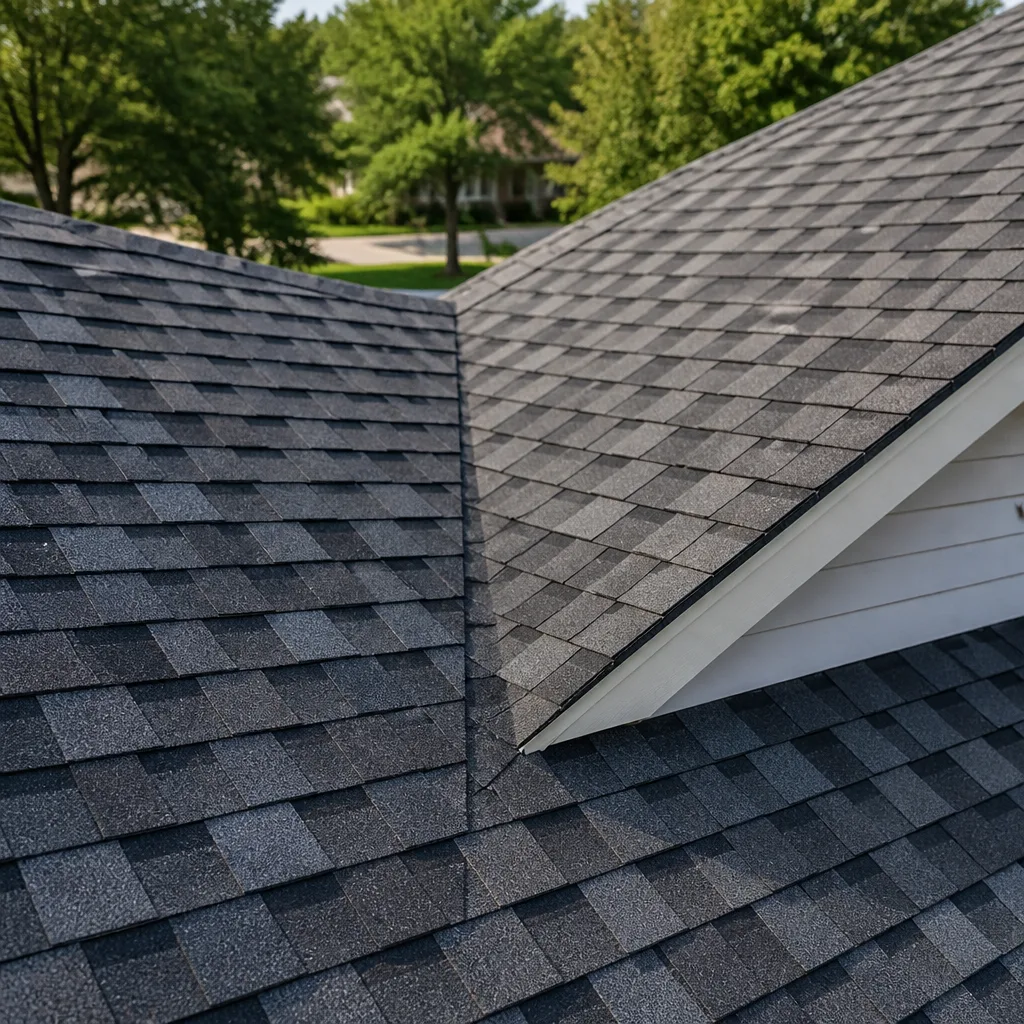
- Architectural shingles
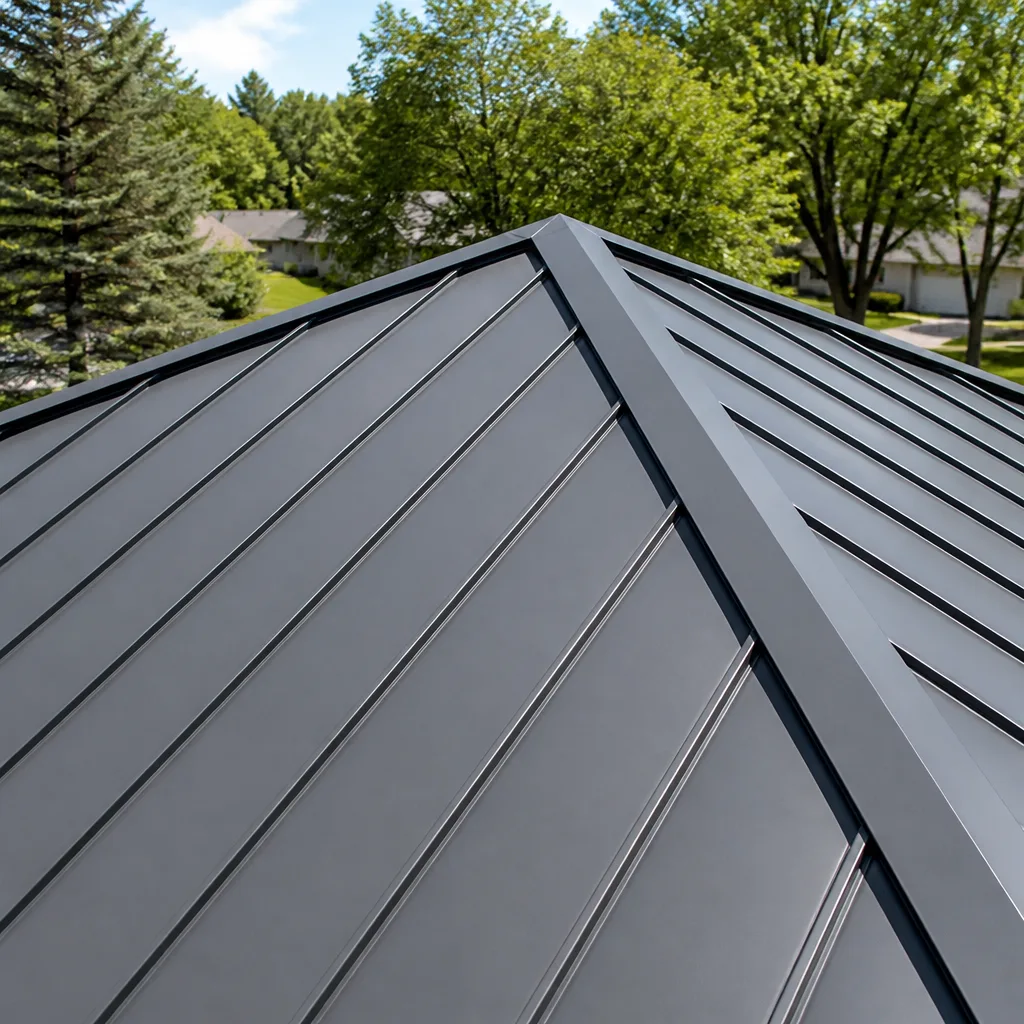
- Metal roofing
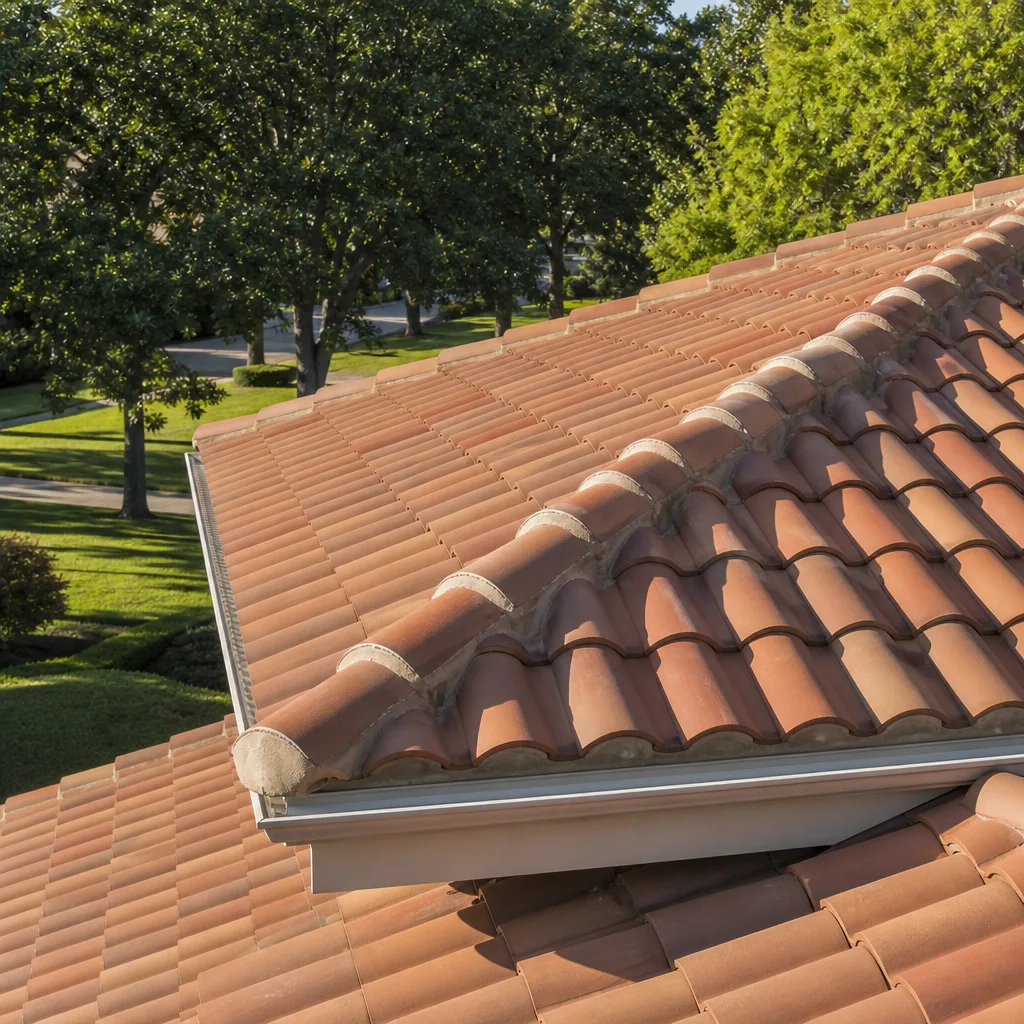
- Tile roofing
- GAF
- Owens Corning
- Flat & low-slope
Table of Contents
- Does Bellevue require a permit for roofing work?
- When a re-roof needs a permit and when it might not
- Bellevue’s local amendments: underlayment and ice-and-water barriers
- How the Bellevue inspection process works, stage by stage
- The HOA overlay on Eastside roofing
- What happens when roofing work is unpermitted
- Why Bellevue’s climate shapes the code
- Working with a roofing contractor on permits
Does Bellevue require a permit for roofing work?
Yes, in the large majority of cases. The City of Bellevue Development Services Department requires a building permit for roof replacements, structural roof repairs, and all new roof installations. The permit is not a rubber stamp – it ties your specific address to a set of approved plans and a sequence of inspections, and it’s what lets the city confirm that the work under your shingles meets the code version Bellevue has adopted.
The practical reason this matters is Bellevue’s own municipal amendments. The city doesn’t simply adopt the Washington State Building Code unmodified; it layers on local requirements that reflect the wet, wind-driven conditions on the Eastside. A contractor who pulls a Bellevue permit is agreeing to the Bellevue version of the code, not just the state floor. That distinction comes up most often in underlayment and ice-and-water barrier details, which we cover further down.
A few things homeowners often don’t realize sit behind a Bellevue permit:
- The permit application identifies the scope and the materials, so a change from shingle to metal mid-project needs to be reflected on the permit.
- The city ties inspection records to the property address, so a future buyer or their inspector can pull them.
- Roofing permits are separate from structural or mechanical permits, so a project that touches framing may need more than one.
If you’re building new construction and handling the roof from the ground up, the roofing scope is usually folded into the larger building permit rather than treated as a standalone roofing permit. That’s a conversation to have with your general contractor and the city early. For a focused look at that path, see our new roof installation overview.
When we’re asked whether a given roof in Bellevue needs a permit, the honest answer almost always starts with “call the city and describe the scope.” We’ve seen enough Eastside projects to know the answer depends on what’s actually being replaced or altered, and the Development Services Department is the authority, not us.
When a re-roof needs a permit and when it might not
A simple re-roof qualifies for an exemption only in narrow cases, and the line between “repair” and “re-roof” is one homeowners routinely misjudge. The general rule in Bellevue and across Washington is that replacing the roof covering over an existing deck – taking off the old shingles and putting down new ones across a substantial area – is treated as a re-roof and requires a permit. Small, targeted repairs usually don’t.
Here’s how the practical distinction tends to break down:
- Full or partial re-roof over existing sheathing: permit likely required, especially when the coverage area is significant.
- Tear-off down to the deck, with new underlayment: permit required.
- Repairing a localized leak, flashing, or a few damaged shingles: often exempt, but confirm with the city before work starts.
- Changing roof material type (shingle to metal, for example): permit required, and the structural implications may need review.
- Any work that alters the roof structure – adding a dormer, re-framing, changing pitch: permit required, often with engineering.
The temptation on a tight budget is to let a handyman skip the permit and save the fee. That fee is small compared to the cost of a roof replacement, and the exposure on the other side is large. We’ve walked Bellevue homeowners through the math, and the permit is almost always the cheaper path over the life of the roof.
One helpful habit: ask your contractor to put the permit number and inspection expectations in writing on the estimate, next to the scope. If the line item is missing, that’s a signal worth paying attention to before you sign.
Bellevue’s local amendments: underlayment and ice-and-water barriers
Bellevue’s local amendments to the International Residential Code – including the sections governing roof covering and flashing, commonly cited as IRC R905 – push the underlayment and ice-and-water barrier requirements beyond the state minimum in ways that matter in this climate. The short version: underlayment is not a single product applied one way. The code specifies different underlayment types and installation methods depending on the roof slope, the material, and the eave conditions.
What that means in plain English for a Bellevue roof:
- Low-slope sections call for heavier, more water-resistant underlayment than steep-slope sections, because water sits longer on a shallow pitch.
- Ice-and-water barrier is required along eaves and in valleys in conditions the code defines, and Bellevue’s amendments tighten those conditions relative to the state floor.
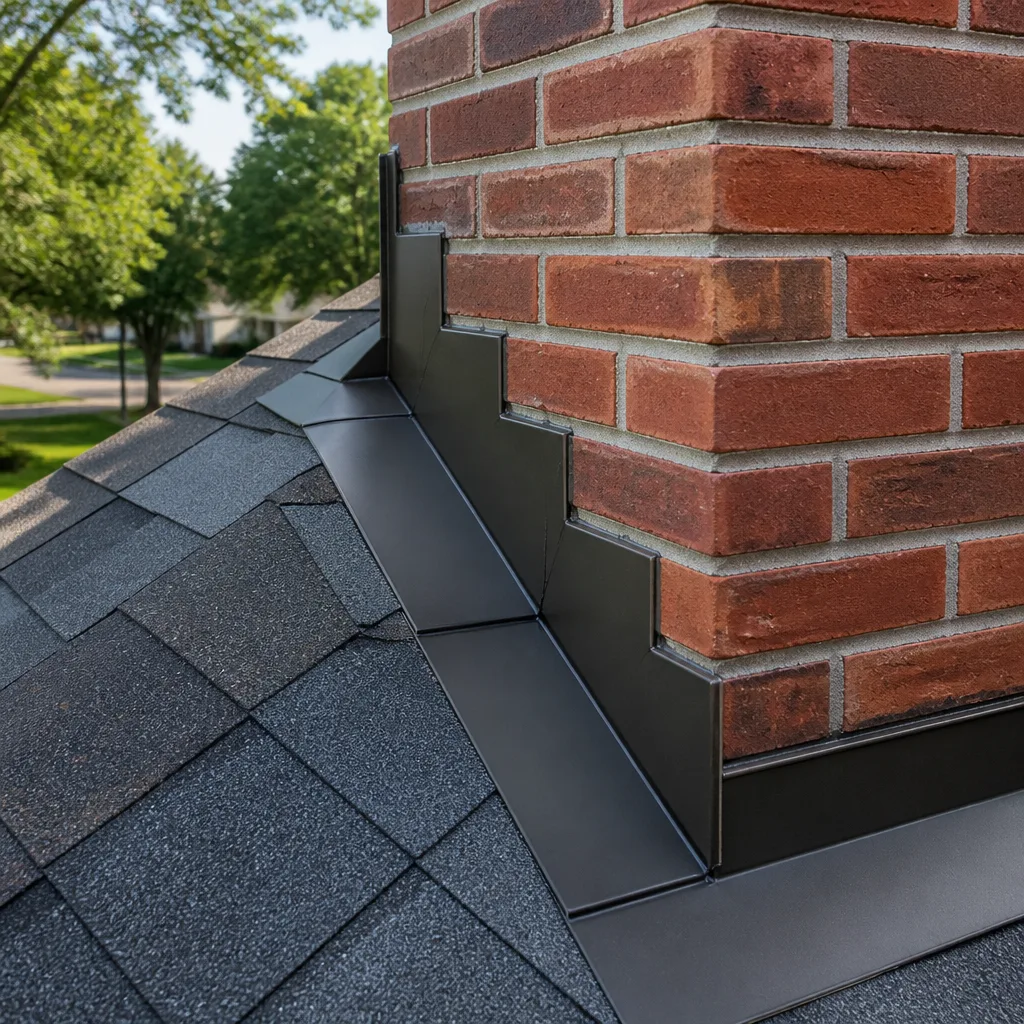
- Flashing details at valleys, chimneys, and transitions get specific scrutiny, because these are where most Eastside leaks start.
- Ventilation and the interaction between the roof deck and attic are part of the code’s intent, not an afterthought.
Why does this matter to you as a homeowner? Because a crew that follows the state minimum without checking Bellevue’s amendments can pass a rough inspection and still leave you with a roof that’s under-spec for the city’s code. That gap is easy to miss until water finds a way in.
This is where material choice and code detail intersect. A shingle roofing system from manufacturers like GAF or CertainTeed has its own underlayment and flashing requirements laid out by the maker, and those have to be reconciled with the Bellevue code, not layered on top of it in conflict. Metal and tile systems each have their own underlayment and attachment rules. Installing all three under one roof company means we’re working through those reconciliations regularly, whether the spec calls for Owens Corning shingles or a Boral tile system.
Ask your contractor directly: which underlayment product, at what slope, and how does it meet the Bellevue amendment rather than just the state code? A good answer is specific.
How the Bellevue inspection process works, stage by stage
Bellevue’s inspection scheduling runs through the city’s online permitting system, and the inspector visits at defined stages rather than once at the end. The exact stages depend on the scope, but for a typical residential re-roof, the sequence usually looks close to this:
- Permit issued and posted. The approved permit and plans are available on site for the inspector.
- Pre-roof inspection (when required). The inspector reviews the deck condition and any structural repairs before new material goes down.
- Underlayment and flashing inspection. This is the stage where Bellevue’s amendments get checked – the right underlayment at the right slope, ice-and-water barrier where required, flashing installed and sealed.
- Final inspection. With the covering installed, the inspector confirms the finished roof, ventilation, and that the scope on the permit matches what’s on the roof.
What inspectors look at is mostly about consistency with the approved plan and the code details. They’re checking that the underlayment type matches what the plan specified, that the ice-and-water barrier is where it’s supposed to be, and that flashing details at penetrations and valleys are done correctly. They’re not there to grade aesthetics – they’re confirming the roof will perform.
The scheduling itself is handled through the city’s system, and a good contractor will let you know what inspections are on the calendar and when they’re expected. Homeowners often ask us whether they need to be present; usually they don’t, because the contractor coordinates access and the paperwork. What they should expect from us is a clean record of inspections passed, which becomes part of your home’s file at the city.
If a stage comes back with a correction notice, it’s not a disaster – it’s normal. The work gets addressed and reinspected. The point of the process is to catch a shortfall before the covering hides it permanently.
The HOA overlay on Eastside roofing
Bellevue’s housing stock includes a large share of planned communities and neighborhood associations, and those HOAs often have architectural guidelines that run alongside city code – and sometimes go further. A city permit does not satisfy an HOA architectural review committee, and an HOA approval does not substitute for a city permit. You need both.
In practice, here’s what the HOA layer tends to add:
- Material and color restrictions. Many Eastside HOAs specify approved shingle colors or restrict visible metal roofing, which can rule out a product before the city is even involved.
- Architectural review. The HOA committee typically wants drawings or manufacturer cut sheets before approving, on its own timeline separate from the city’s.
- Contractor requirements. Some associations require proof of insurance or specific work hours for on-site crews.
- Design continuity. In communities where every roof looks a certain way, the HOA is enforcing that look, which constrains your material options.
The Bellevue neighborhoods with active HOAs – whether in the newer planned communities on the Eastside or the established subdivisions – each have their own documents, so the specifics vary. What doesn’t vary is the sequence: check HOA guidelines and get architectural approval in parallel with the city permit, not after the roof is ordered. Ordering materials that the HOA later rejects is an expensive mistake.
We work with seven manufacturer brands – GAF, CertainTeed, Owens Corning, IKO, Atlas, Tamko, and Boral – which matters here. When an HOA limits your color palette or material options, having access to multiple brands means we can match the approved look without steering you into a single product line. That brand access is one of the reasons we position ourselves as a multi-material, multi-brand roofer rather than a single-brand shop. Our Roofing Bellevue Pros team spends time on HOA guidelines as part of the planning, because a roof that clears code but fails the architectural review is a problem nobody wants.
What happens when roofing work is unpermitted
Unpermitted roofing in Bellevue creates two distinct problems, and most homeowners learn about the second one at the worst possible moment – during a sale or an insurance claim. The first is code and liability exposure while you own the home. The second is resale and insurance exposure when it surfaces.
On the resale side: Washington’s seller disclosure requirements mean you have an obligation to disclose known material defects and unpermitted work. A roof replacement that was done without a permit and inspected by nobody becomes a disclosure item, and title companies reviewing King County closings are increasingly flagging unpermitted roofing during escrow. A buyer’s inspector who pulls city permit records for the address and finds nothing is going to ask questions. Some sales stall; others close with a price reduction that reflects the risk.
On the insurance side: a carrier can deny a claim or reduce a payout if the loss relates to work that was never permitted or never inspected to code. That’s not a scare tactic – it’s a standard policy condition. If a leak from a poorly installed underlayment leads to interior water damage, the question of whether the roof was done to Bellevue’s code becomes directly relevant to the claim.
The remedies when unpermitted work is discovered:
- Retroactive permit. You apply after the fact, the city inspects what’s there, and in some cases the work has to be opened up for inspection.
- Corrective work. Any deficiency found during the retroactive inspection has to be fixed, which can mean partially removing the covering.
- Documentation for the sale. The corrected permit becomes part of your closing package, which resolves the disclosure problem.
A final inspection on a permitted Bellevue roof is one of the cheapest forms of resale protection a homeowner can buy. It’s why we insist on it.
Why Bellevue’s climate shapes the code
Bellevue’s location on the Eastside of Lake Washington puts it in a microclimate that’s wet, gray for long stretches, and prone to wind-driven rain. Roofs here aren’t tested by heat the way they are in drier climates – they’re tested by moisture that lingers and finds weaknesses in underlayment, flashing, and ventilation. That is the reality behind the city’s stricter-than-state underlayment and ice-and-water barrier rules.
The practical implications for a Bellevue roof:
- Underlayment quality matters more here than in dry climates. It’s the second line of defense behind the shingle, and in this climate it’s doing more work.
- Ventilation and moisture control matter as much as the covering – a roof that traps moisture behind it will fail faster than one that sheds it.
- Tree canopy and debris. Bellevue’s mature trees contribute to moss and debris buildup, which is why moss-resistant shingle lines come up in conversations with Eastside homeowners.
- Wind-driven rain at eave and valley conditions is why the ice-and-water barrier details exist in Bellevue’s code beyond the state floor.
Hail is uncommon here. That’s worth stating plainly, because homeowners who move from other regions assume it’s a factor. It isn’t a defining local problem in Bellevue, so a roof’s storm resilience here is mostly about wind and water, not impact. If you’re comparing materials, weigh that accordingly.
Material choice interplays with climate. Asphalt shingles from manufacturers like GAF and CertainTeed are the most common choice on Bellevue roofs; metal and tile each carry different moisture-management characteristics and their own code requirements. That’s a trade-off worth talking through rather than defaulting to whatever a single-brand contractor sells.
Working with a roofing contractor on permits
The permit step is one of the clearest ways to tell a serious roofing contractor from a casual one. A contractor who routinely handles Bellevue permits knows the city’s amendments, the inspection sequence, and the scheduling system. A contractor who doesn’t will either decline to mention the permit or leave it to you.
What to expect from a Bellevue roofing contractor who does this regularly:
- Permit identified in the estimate. The permit line item appears on the written estimate, not in a vague “miscellaneous” bucket.
- Application filed before work starts. The permit should be in hand and posted before material goes on the roof.
- Inspections scheduled and tracked. You get updates at each stage, with a record of passed inspections at the end.
- HOA review handled in parallel. Architectural guidelines get addressed alongside the city permit, not as an afterthought.
- Written estimate matches scope. The materials named on the permit match the materials on the estimate – no bait and switch.
What we bring to that process is a single-trade focus. Roofing is all we do, which means the permit side, the code side, and the material side all get our attention without a general contractor’s divided schedule. Our technicians have up to 8 years of experience, and they work through the Bellevue inspection stages regularly enough to know what’s being checked at each one. Because we install shingle, tile, and metal under one roof, we don’t need to hand you off to a specialist the moment your HOA or your code detail pushes you toward a different material.
One more thing worth saying plainly: the permit and inspection cost is small relative to the lifetime of the roof and to the risk of skipping it. If a bid comes in suspiciously low, ask whether the permit is included. The answer is often revealing.
Common Mistakes to Avoid
- Assuming the permit is the contractor’s problem. The permit is issued for your address and your property. If your contractor doesn’t pull it, you’re the one with an unpermitted roof. Ask for the permit number before work starts.
- Skipping the HOA architectural review. In Bellevue’s planned communities, the HOA guidelines can restrict material and color in ways the city doesn’t. Ignoring the association paperwork until after the roof is ordered is a costly sequencing error.
- Treating a “repair” as a workaround. A large-scale re-roof is not a repair, even if the framing is fine. Mislabeling a full re-roof as maintenance to skip the permit is a mistake that follows the home through resale.
- Ordering materials before the permit is approved. A change in scope or a code detail can alter what’s allowed. Ordering first and getting approval later invites returns and delays.
- Not checking underlayment specs against Bellevue’s amendments. The state code minimum is not the same as Bellevue’s local requirement. A crew that only knows the state floor can underspec the roof and pass a rough inspection anyway.
- Forgetting to keep the final inspection record. The inspection record is part of what you hand over at closing. Keep it with your home’s paperwork so it’s ready when you need it.
- Letting a single-brand contractor talk you past the code details. A roofer with only one product line will tell you that line is the right one. A multi-brand roofer can match the code detail and the HOA and your budget, because the recommendation isn’t gated by what’s on the truck.
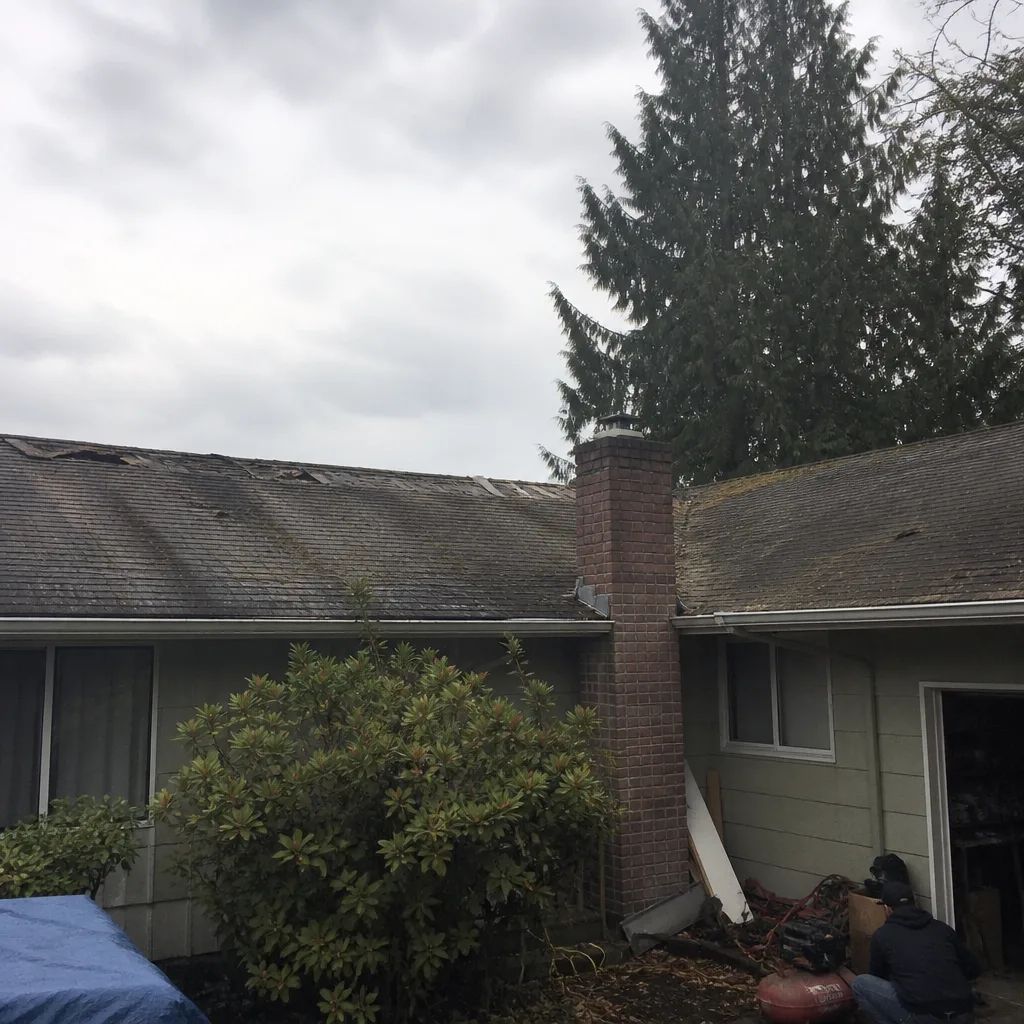
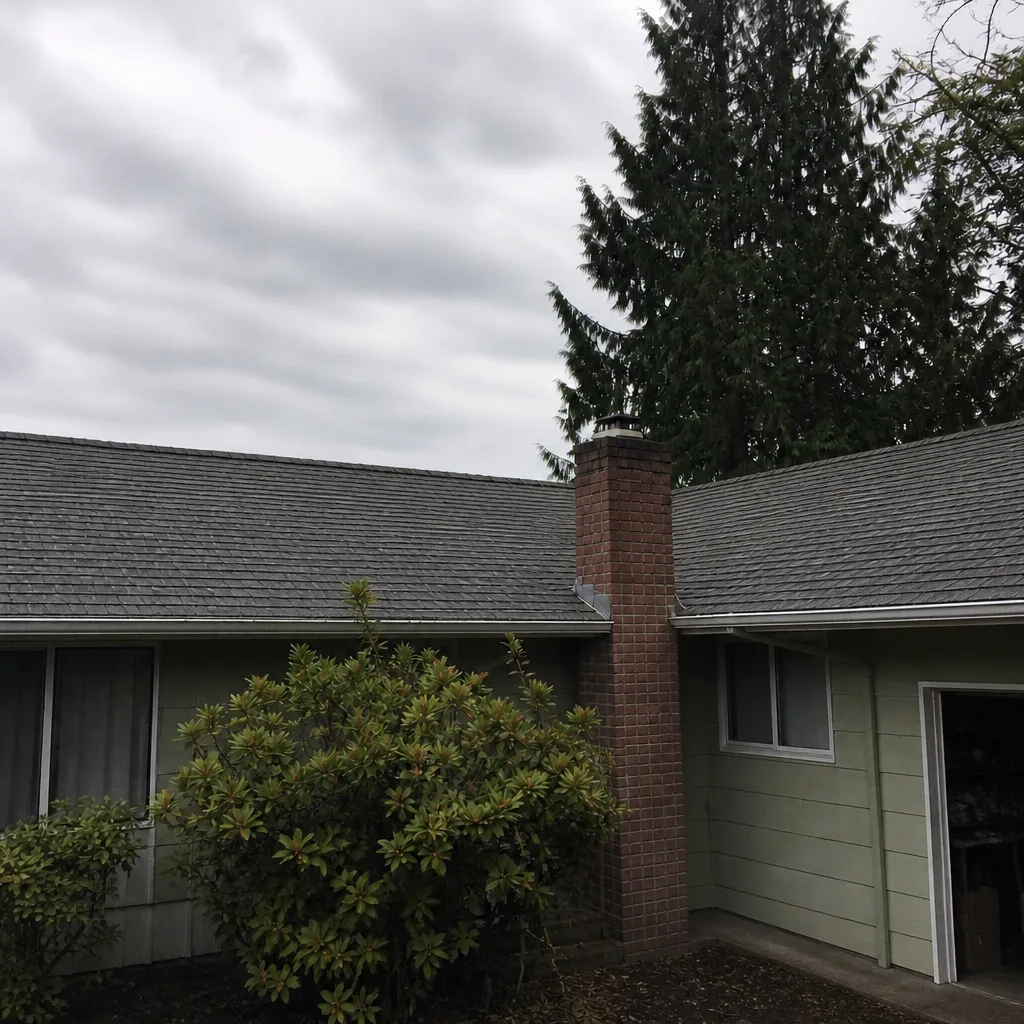
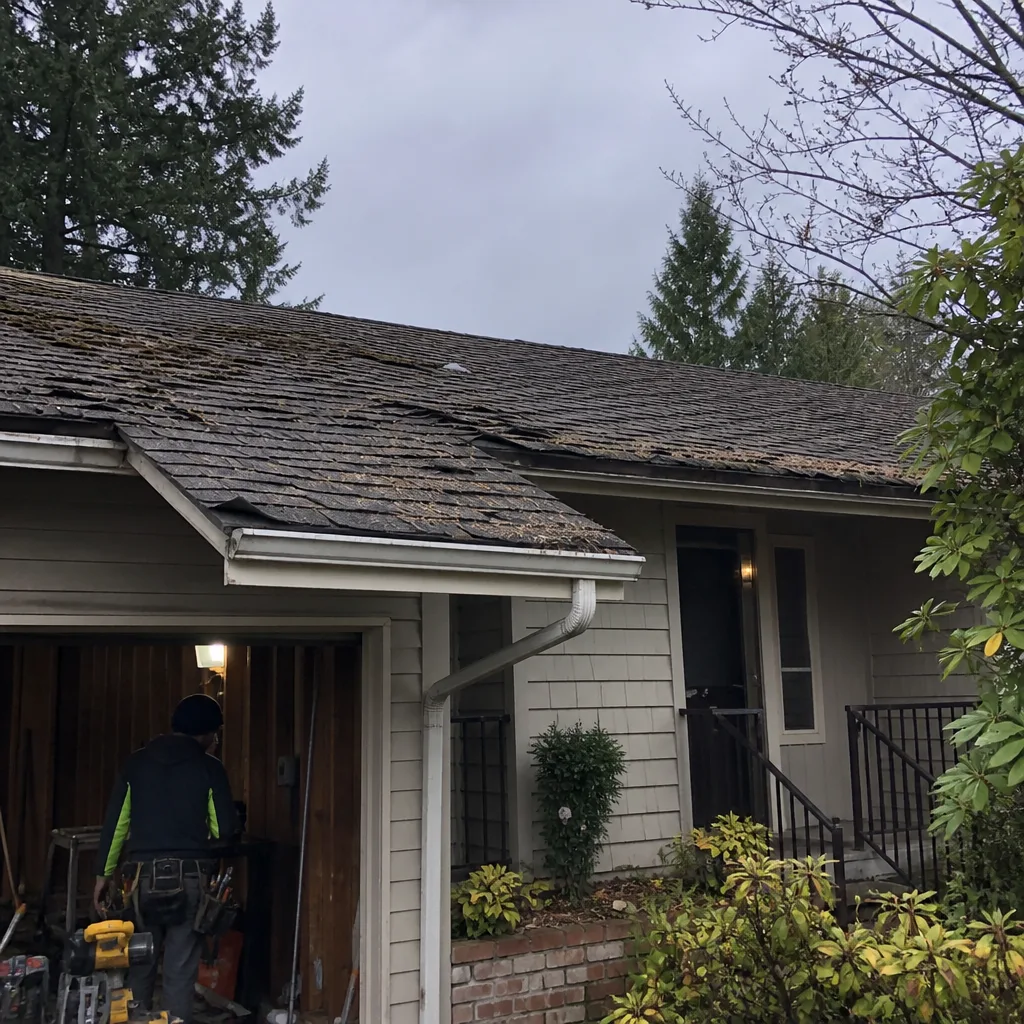
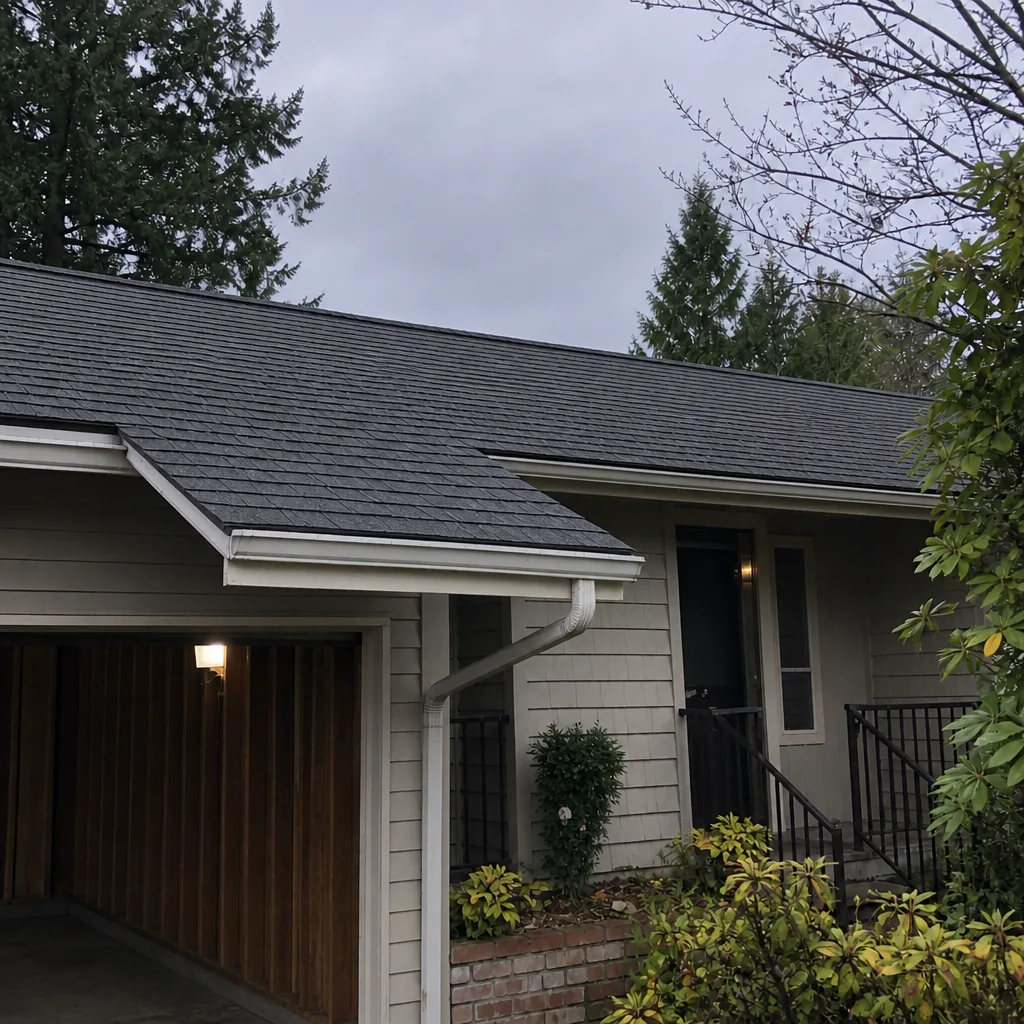
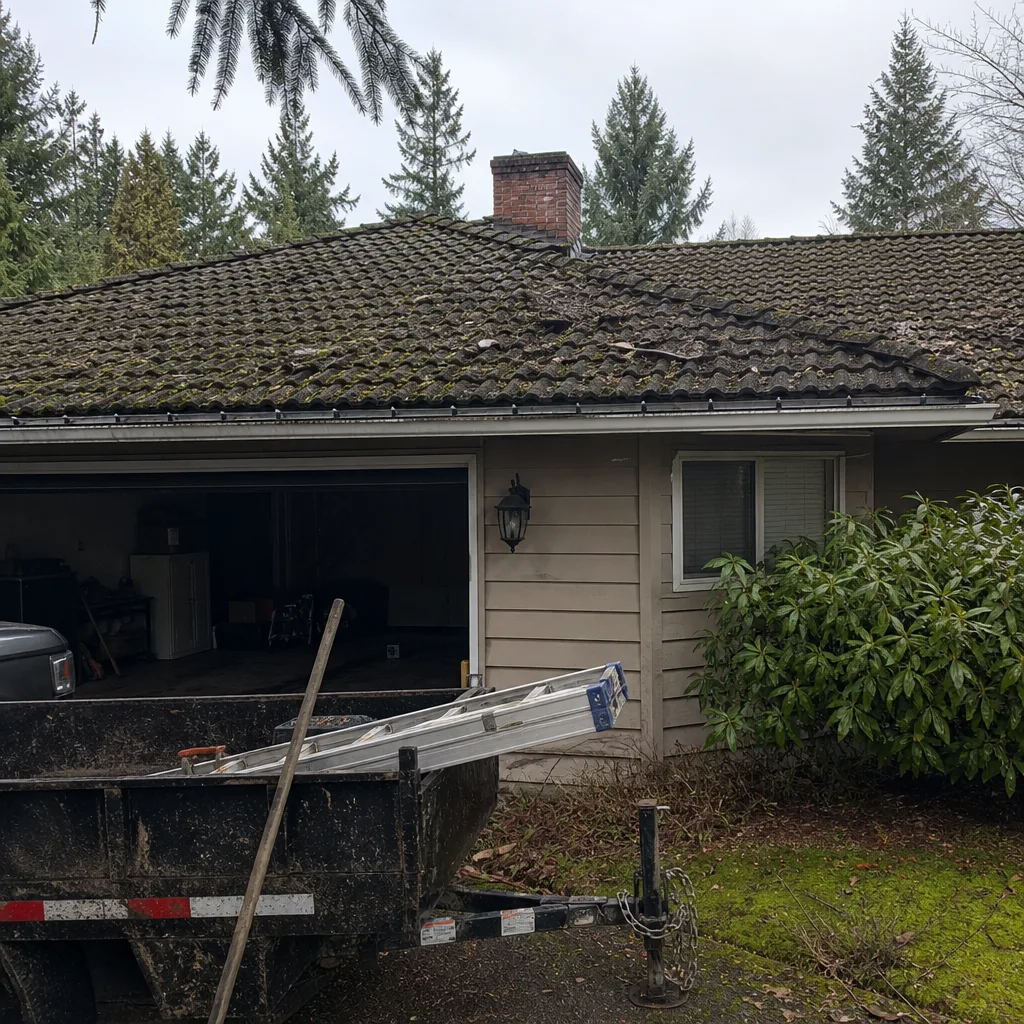
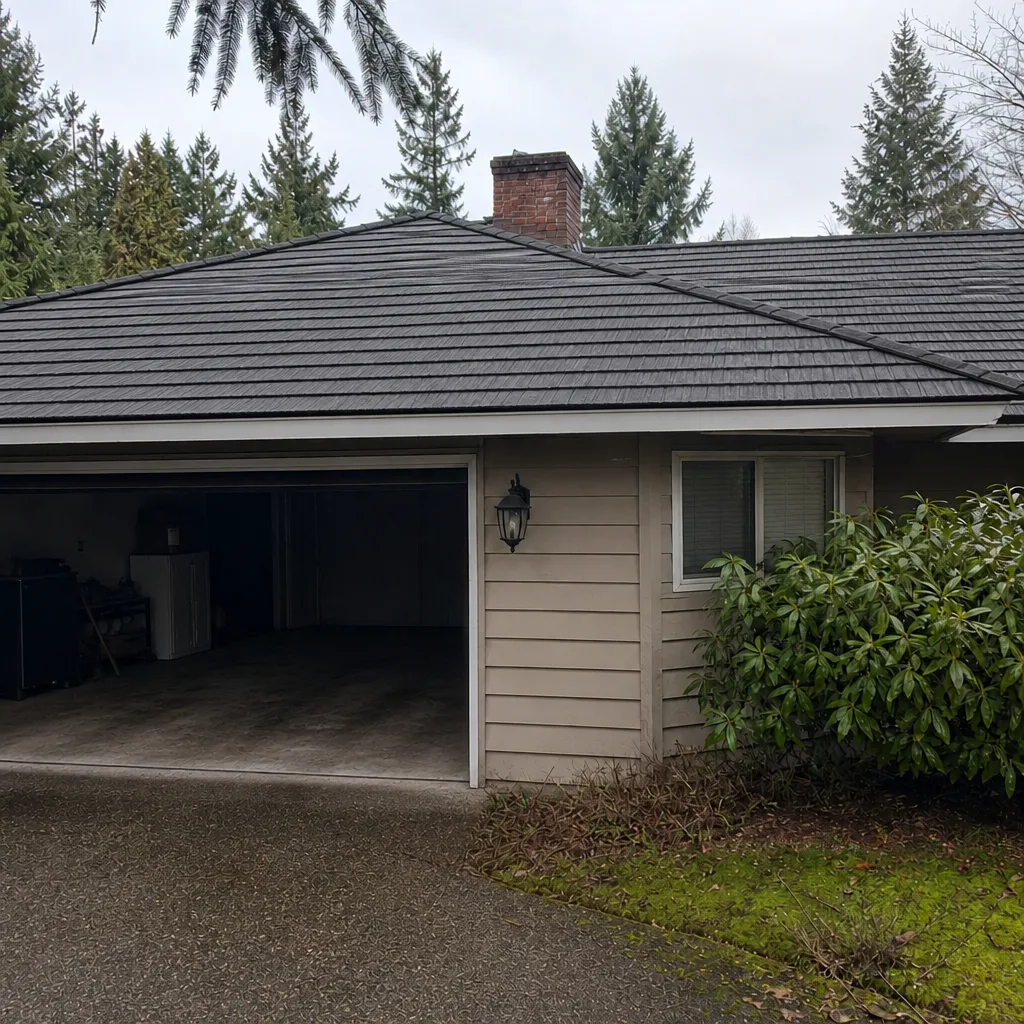
See the difference
 Before
 After
 Before
 After
 Before
 After
When to Call a Professional
If you’re planning a roof replacement or new installation in Bellevue, get a contractor involved before the permit application, not after. If you’ve inherited a home with a roof of unknown permit history, we can help trace the inspection record and flag any gaps. If you’re in an HOA community and unsure how the architectural guidelines and the city code interact on your roof, that’s a planning conversation worth having early. If you’re selling and a buyer’s inspector has flagged unpermitted roofing, we can walk through the retroactive permit path. Roofing Bellevue Pros offers free estimates in Bellevue – call (425) 699-1466. We answer 24/7. Fast dispatch from 7am to 7pm, Sunday through Friday.
Frequently Asked Questions
In most cases, yes. Bellevue’s Development Services Department requires a building permit for roof replacements, structural roof repairs, and all new roof installations, and only narrow localized repair work may qualify for an exemption. The permit ties your address to the approved scope and the city’s inspection process, so if a contractor offers to “skip the paperwork,” treat that as a red flag. Call (425) 699-1466 for a free estimate that spells out the permit scope.
The timeline varies with the scope of the project and the city’s current workload, so the honest answer is to confirm it with the Development Services Department when you apply. A straightforward residential re-roof typically moves through review faster than a project that changes materials or alters structure, and HOA architectural review runs on a separate timeline that should be started in parallel. Call (425) 699-1466 and we’ll walk you through how the permit scheduling fits your project.
Inspections happen in stages, and the core checkpoints are the deck or pre-roof condition, the underlayment and flashing (where Bellevue’s amendments are verified), and the final installed roof. Inspectors confirm the underlayment type at each slope, the ice-and-water barrier placement, and the flashing details at valleys and penetrations – the spots where Eastside leaks most often begin. Call (425) 699-1466 to schedule your free estimate and we’ll lay out the inspection sequence for your roof.
You can usually resolve it with a retroactive permit, though the city may require the roof to be opened up for inspection and any deficiencies corrected before the permit closes. The bigger issue is resale: unpermitted roofing is a disclosure item, and King County title companies are flagging it during escrow reviews with growing frequency. Getting the record straightened out before you sell is almost always cheaper than dealing with it during a closing. Call (425) 699-1466 for an assessment.
Yes. Eastside HOA architectural guidelines can restrict material type, color, and contractor requirements beyond what the city code requires, and they run on their own review timeline. A city permit does not satisfy the HOA, and HOA approval does not substitute for the permit. You need both. If you’re unsure how your association’s rules apply to your planned roof, call (425) 699-1466 and we’ll help you plan the review sequence.
Bellevue’s local amendments to the International Residential Code tighten the underlayment and ice-and-water barrier requirements beyond the state floor, particularly for roof slope, eave conditions, and valley details. A crew that only follows the state code can leave a Bellevue roof underspec relative to what the city actually requires. Ask your contractor which underlayment product they’re using at each slope and how it meets the Bellevue amendment. Call (425) 699-1466 for a free estimate that details the underlayment spec.
The Bottom Line
In Bellevue, the permit is not the boring part of a roof project – it’s the part that protects your resale, your insurance claim, and your roof’s performance in a wet climate. Bellevue’s local amendments to the building code push underlayment and ice-and-water barrier requirements beyond the state minimum, HOA architectural guidelines layer on additional restrictions, and unpermitted work surfaces at closing in ways that cost real money. Get the permit, schedule the inspections, document the passed stages, and work with a contractor who handles all of it as a matter of course. If you want a free estimate from a team that works through Bellevue permits and material choices every day, call Roofing Bellevue Pros at (425) 699-1466. We answer 24/7. Fast dispatch from 7am to 7pm, Sunday through Friday.
Written by the team at Roofing Bellevue Pros.