Last updated November 25, 2026
Free roof inspection with deck photos before we talk money - GAF and Owens Corning certified installation
How to Hire a Roofing Contractor in Bellevue: A Step-by-Step Guide
Most homeowners hire a roofer the way they hire a plumber: they call whoever answers first and sounds confident. That works fine for a leaking faucet. On a roof, the first-call rule is how people end up with a contract they can’t enforce and a crew they can’t reach. After a significant wind event in the Puget Sound corridor, out-of-town roofing outfits with temporary Washington registrations flood local search results, and homeowners in Bellevue have signed with companies that were unreachable within 90 days of signing. This guide walks you through the vetting process step by step, starting with how to verify a contractor’s registration in under three minutes and ending with a payment schedule that protects you at every milestone.
Quick Answer
Hiring a roofing contractor in Bellevue means verifying the company’s Washington State UBI number and L&I contractor registration, confirming current liability and workers’ comp insurance, getting a written scope and payment schedule, and checking whether the contractor carries manufacturer credentials that unlock a higher warranty tier. Do the verification before the first estimate, not after. Any contractor who resists these steps is telling you something useful about how the job will go.
Styles & brands we work with
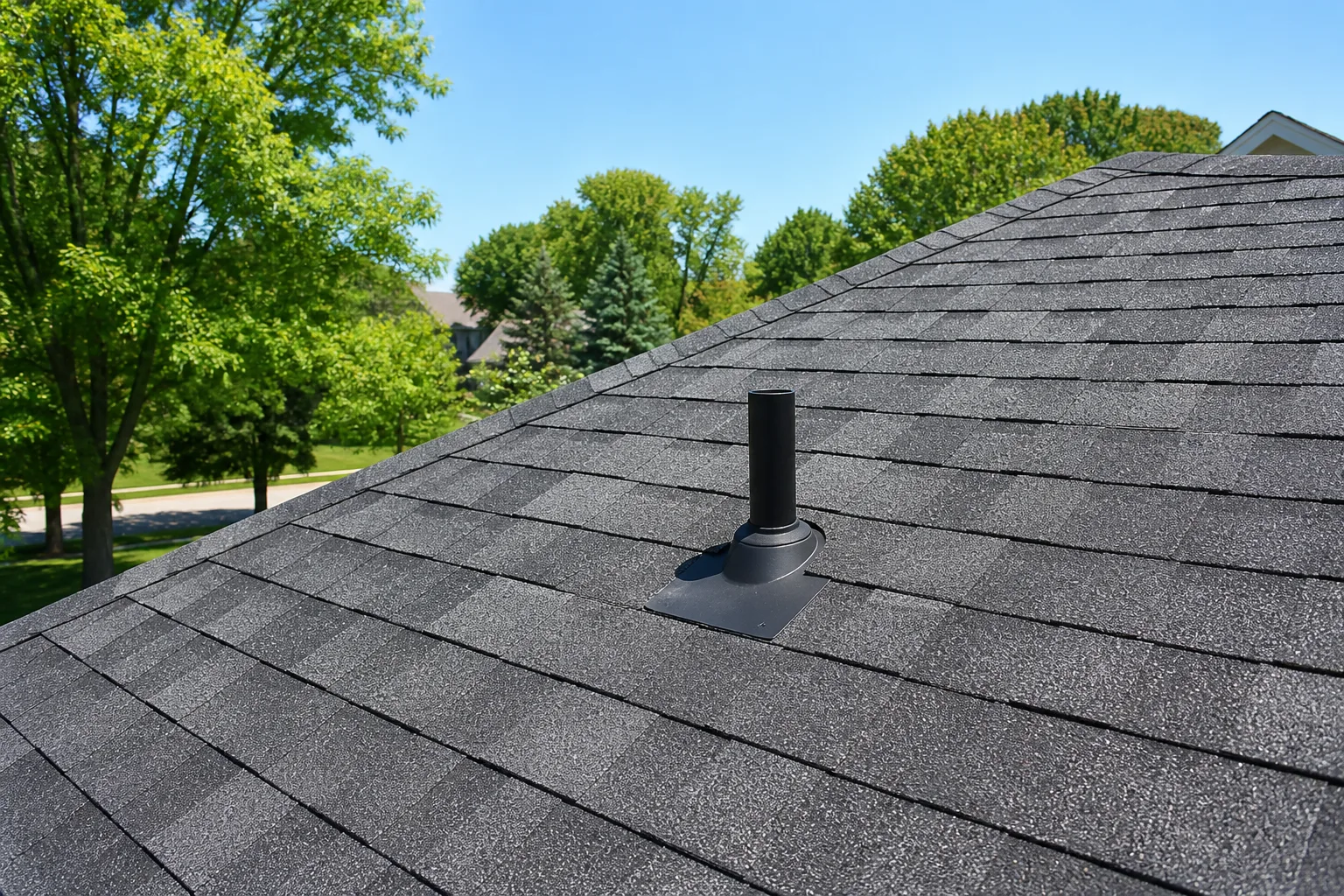
- Architectural shingles
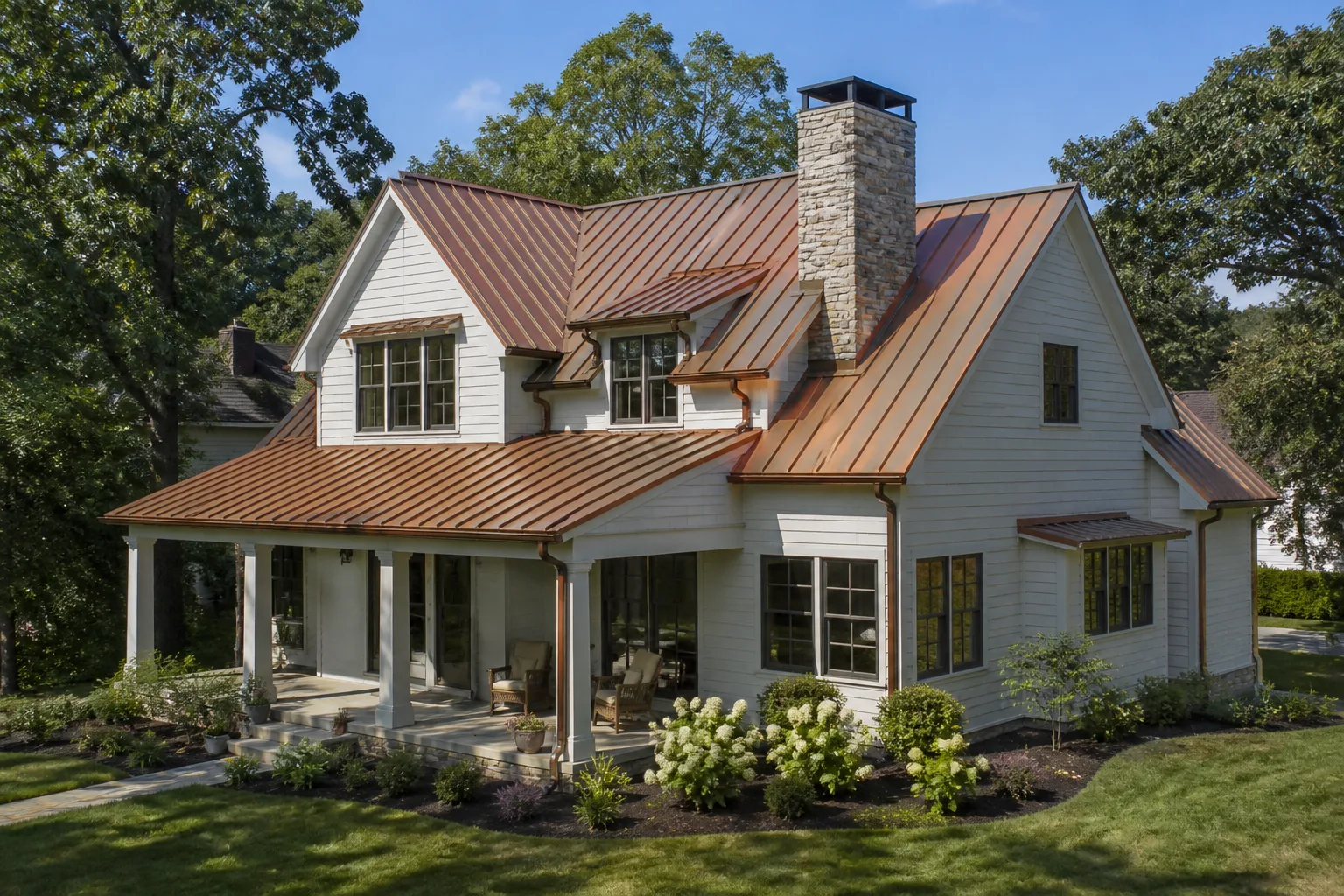
- Metal roofing
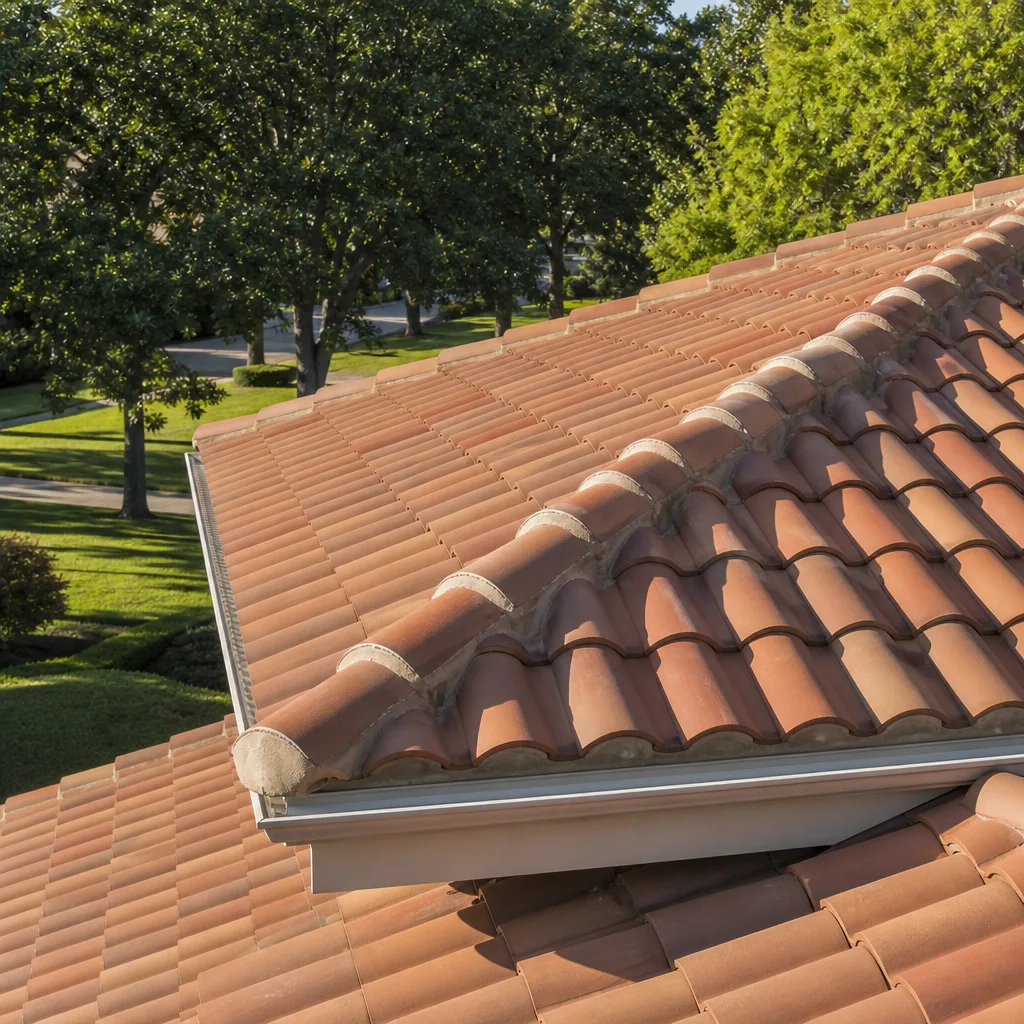
- Tile roofing
- GAF
- Owens Corning
- Flat & low-slope
Table of Contents
- Step 1: Check the Contractor’s UBI and L&I Registration
- Step 2: Request the Right Insurance Certificates
- Step 3: Understand Manufacturer Credentials and What They Unlock
- Step 4: Ask About Materials and Brands, Not Just Price
- Step 5: Read the Contract for Washington-Specific Clauses
- Step 6: Structure a Payment Schedule That Protects You
- How to Spot Storm-Chasing Crews in Bellevue
- Common Mistakes to Avoid
- When to Call a Professional
- Frequently Asked Questions
Step 1: Check the Contractor’s UBI and L&I Registration
Every legitimate roofing contractor operating in Washington State holds a Unified Business Identifier, or UBI number, and an active contractor registration with the Department of Labor & Industries. Ask for both in writing, then look them up. The verification takes under three minutes on the L&I website and tells you more than any review page ever will.
Here’s what the registration actually means. A Washington contractor registration confirms the company has bonded and insured itself at the level the state requires, and that it has registered with L&I as an employer. That matters on a roofing job because roofing is one of the trades most likely to involve falls and injuries. If a contractor doesn’t carry workers’ compensation coverage for its crew, you can end up on the hook for an injured worker’s claim on your property. That’s not a small risk to absorb on a $20,000 project.
When you look up the UBI, pay attention to three things:
- Status: Active, suspended, or expired. A suspended registration means the contractor lost bonding or insurance coverage at some point. Ask why before going further.
- Trade classification: The listing should name roofing as a covered trade. A general contractor registration doesn’t automatically authorize roof work.
- Bond amount and expiration: Confirm the bond is current. A lapsed bond can limit your options if a dispute goes to court.
A lapsed or suspended status isn’t always a scam. Contractors let registrations slip for administrative reasons. But it means you should ask direct questions and get answers in writing. If the answer is “we’re working on it,” move on to the next estimate. The paperwork should be clean before the first bundle of shingles lands on your driveway.
Bellevue homeowners have one extra layer of protection: the city requires permits for most roof replacements, and the permit process will surface an unregistered contractor before work begins. We see it as a good backstop, but you shouldn’t rely on the city to do your vetting for you.
Step 2: Request the Right Insurance Certificates
Two certificates matter on a roofing job in Bellevue: a certificate of general liability insurance and a certificate of workers’ compensation coverage. Ask for both, and make sure your property address is listed on the liability certificate as the project location. A generic certificate from a policy year ago doesn’t tell you whether coverage is active today.
Once you have the certificates, do the part most homeowners skip: call the insurer and confirm the policy is still in force. The phone number is printed on the certificate. All you need to ask is whether the policy is current and whether it covers residential roofing work. Insurance can lapse between the time a contractor prints a certificate and the time work begins. A two-minute phone call closes that gap.
For Bellevue and the greater Eastside, here’s what a complete certificate package should include:
- General liability: Coverage amounts that reflect a full residential roofing project. Ask what the per-occurrence limit is, not just the annual aggregate.
- Workers’ compensation: Confirms the contractor is insuring its own crew. If the contractor uses subcontractors, ask whether the subs carry their own coverage and request their certificates too.
- Your address as certificate holder: The liability certificate should name your project address so that a claim tied to your roof is unambiguously covered.
We can work with your insurer if a claim becomes part of the conversation. What we can’t do is tell you a contractor is insured when the paperwork says otherwise. If a crew hesitates on producing certificates, treat that as your cue to keep shopping.
Step 3: Understand Manufacturer Credentials and What They Unlock
Most homeowners know they should ask for references. Fewer know to ask about manufacturer credentials, which can carry more weight than a stack of testimonials. Asphalt shingle manufacturers offer tiered credential programs, and the top tiers come with warranty coverage that a lower-tier installer cannot legally pass to you. GAF’s top installer tier and CertainTeed’s comparable designation are examples. The difference isn’t marketing fluff; it’s a distinct warranty tier written into the manufacturer’s terms.
Here’s how to think about it:
Standard manufacturer warranties on products typically run for a set period on the material itself. The enhanced warranties tied to credentialed installers often extend coverage to labor and workmanship, and can cover removal of defective products. That’s the part that matters most. Material failures are rare compared to installation failures, and most installation failures show up at transitions, penetrations, and flashing details. Labor-and-workmanship coverage protects you on exactly the failure mode most likely to happen.
The catch is that the credential has to be legitimately held by the company doing the work. Ask the contractor for their credential status and then verify it through the manufacturer’s dealer locator. GAF and CertainTeed both publish installer directories that take about a minute to check.
Roofing Bellevue Pros is authorized to install products from seven nationally recognized manufacturers, including GAF, CertainTeed, Owens Corning, IKO, Atlas, Tamko, and Boral. That range matters at the estimate stage because it means recommendations follow your roof’s pitch, your budget, and your performance goals rather than a single-brand inventory position. Shingle, tile, or metal, we install all three and can walk you through the real trade-offs before you sign anything.
Step 4: Ask About Materials and Brands, Not Just Price
Bellevue sits in a climate that punishes the wrong material choice. The Puget Sound region is known for wet winters and short dry summers, and roofs in Bellevue spend a lot of their life holding standing moisture along the tree-lined streets that define neighborhoods like Bridle Trails and Clyde Hill. Moss growth is a routine maintenance reality here, and the amount of tree cover around your home affects how much debris sits on the roof. That context should shape the conversation you have with any contractor.
Three material families dominate residential roofing in Bellevue, and each one trades off against the others:
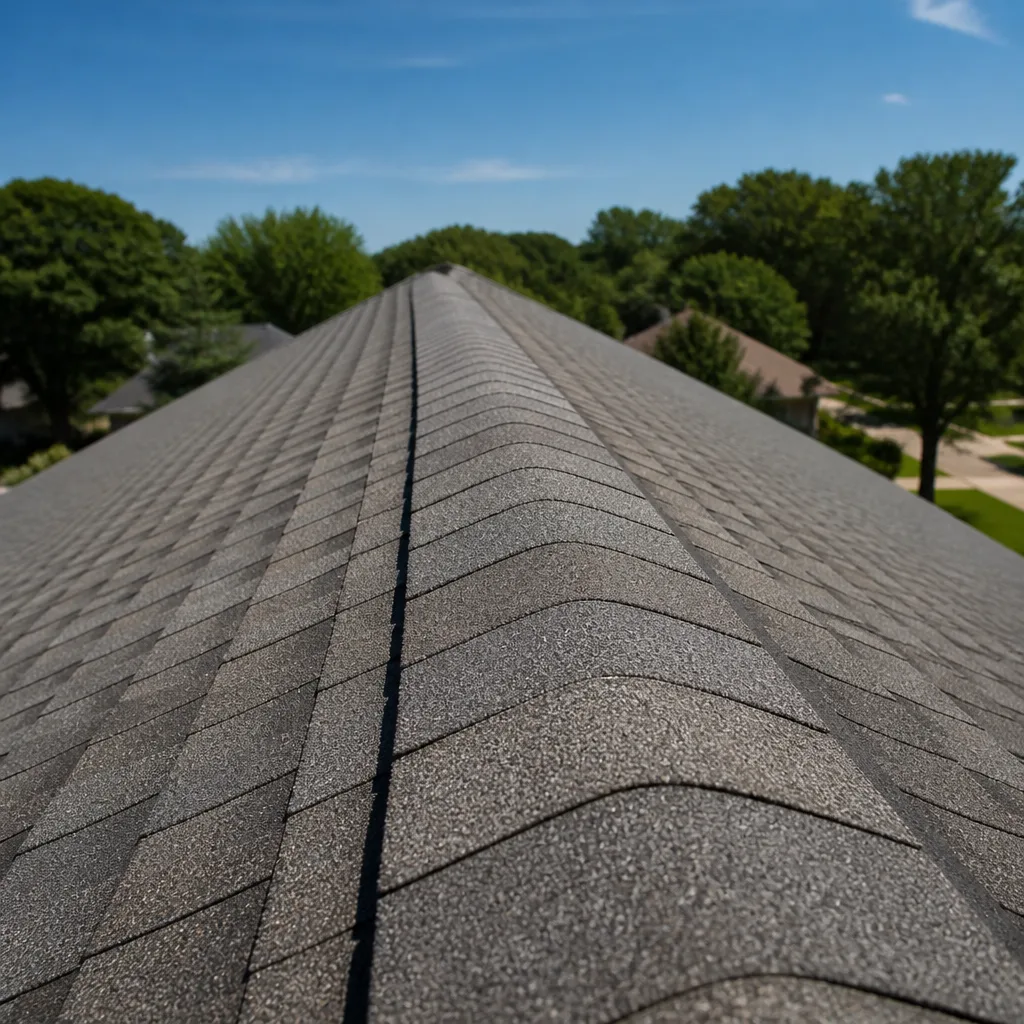
- Asphalt shingle: The most common choice, with a wide range of performance tiers. Shingle roofing handles well in wet climates when installed with proper ventilation and underlayment, and it’s the most straightforward to repair or match later. Atlas and Tamko are worth discussing alongside the other major brands we install.
- Tile roofing: Heavier, longer-lived, and less common in Bellevue but well suited to certain architectural styles. Tile installs demand structural load considerations, so the contractor should check framing, not just haul tile up a ladder.
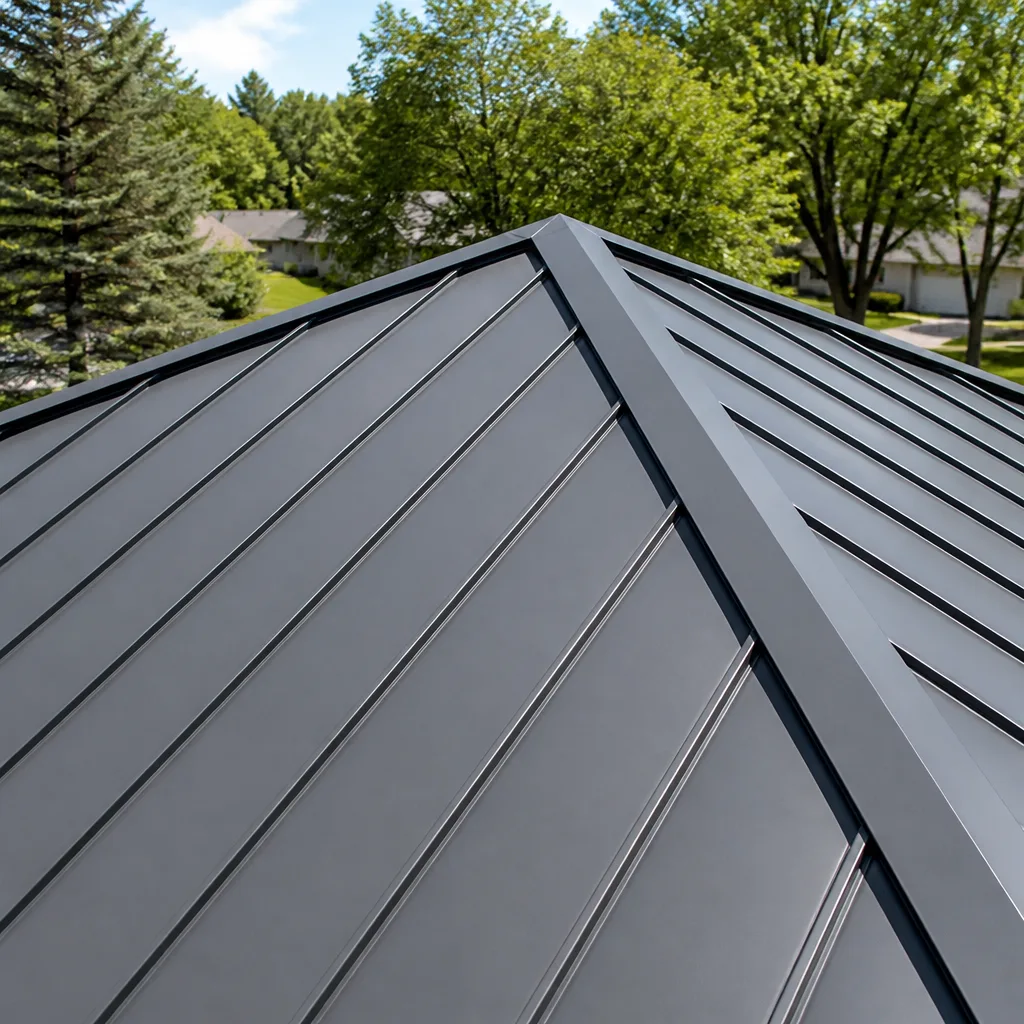
- Metal roofing: A strong fit for the local climate because it sheds water and debris well. Metal systems vary widely in panel profile and finish, and price scales accordingly.
When a contractor can only offer one material or one brand, the recommendation is really about inventory. We work with seven manufacturer brands so you choose the product that fits your roof, not the other way around. Boral and the other manufacturers we source from make products that solve different problems. If you’re building new construction and need a full new roof installation designed around the home’s geometry, that range matters even more than it does on a straightforward tear-off.
Ask any contractor to explain, in plain language, why they’re recommending one material over another for your specific home. If the answer is “it’s what we install,” keep calling.
Step 5: Read the Contract for Washington-Specific Clauses
Roofing contracts in Washington are subject to state consumer protection rules, and some clauses that show up in boilerplate simply don’t hold up if challenged. Knowing which is which protects you at the negotiation table before you sign.
A few patterns worth flagging:
- Arbitration clauses that wave away your right to sue: Washington law says the disclosure has to be conspicuous and clear. A clause buried in a paragraph of legal text can be challenged. If the contract includes one, ask the contractor to walk you through exactly what you’re waiving.
- Waiver of your right to file a construction defect claim: Some clauses try to knock this out. It’s worth asking a lawyer if a large project proposes one.
- Payment terms tied to “substantial completion”: Vague language here is where disputes start. Ask for the term to be defined by a written checklist, not by the contractor’s judgment.
- Change orders by verbal agreement: Any clause that lets the contractor modify scope without a signed change order should be struck or clarified before work begins.
What should be in there: a full written scope including underlayment and flashing details, specific manufacturer and product names for every material, a clear roofline and area description, provisions for dumpster placement and cleanup, and a permit line item noting who pulls the permit. In Bellevue, most replacements require a permit from the city, and the permit inspection is a checkpoint you want the contractor to build into the schedule rather than absorb quietly.
The written estimate is the price. If the contractor tells you the number on the estimate is “ballpark” and the final number will be higher, ask them to correct it in writing before the job begins. We give written line-item quotes and stand behind the price on the estimate. That’s not unusual; it’s just what legitimate contractors do.
Step 6: Structure a Payment Schedule That Protects You
The most common mistake homeowners make at the payment stage is front-loading the schedule. A contractor who asks for more than a modest deposit up front – before a single shingle is torn off – is asking you to carry their cash flow risk. Legitimate contractors in Washington typically front-load material costs because materials genuinely have to be purchased. The key is tying every payment to a verifiable milestone.
Here’s how we’d structure it on a full roof replacement:
- Contract signing: A deposit sized to cover materials and the permit. Ask for the material order to be placed with that deposit so the money goes where it’s supposed to go.
- Tear-off and dry-in: A payment when the old roof is off and the underlayment is secured. This is the stage where weather exposure is highest, and it’s a good milestone to see the work before moving on.
- Installation complete: A payment when the top layer is installed and there’s a visible roof surface to walk with you.
- Final inspection passed: The balance due when the Bellevue permit inspection has passed and the punch list is signed off.
Never pay the final balance before the city inspection passes. And never pay large sums in cash. A check written to the business entity, or a card payment through a card processor, creates a paper trail that protects both of you.
If a contractor objects to a milestone-based schedule, ask why. Legitimate contractors negotiate these all the time. The ones that walk away because you asked for a standard schedule are the ones you didn’t want on your roof.
How to Spot Storm-Chasing Crews in Bellevue
After a wind event knocks limbs down around the Puget Sound corridor, the roofing market fills with out-of-state crews working under temporary Washington registrations. The pattern recurs every storm season. These crews often hit the pavement quickly and are often hard to reach within a few months of signing. Hiring the right roofer in Bellevue means knowing how to spot them before you sign.
The tells are usually in the details:
- Temporary registrations that don’t outlast the job. Ask for the UBI number and check when the L&I registration was issued. A very recent registration deserves a closer look.
- No local contractor references from the past year. Ask for names and phone numbers of Bellevue projects completed 12 months ago or longer. Verify those references actually exist.
- Door-knocking immediately after a storm with cash-only or large deposits requested. Neither is disqualifying on its own, but combined it’s a red flag.
- Pressure to sign “today” because estimates go up tomorrow. Legitimate contractors don’t need artificial deadlines to win work.
- No verifiable physical presence in Washington beyond a post office box. Ask for a business address and whether the crew lives locally.
One safeguard worth using: call the L&I registration number on the contract and ask when it was issued. If the registration date is very recent and the company has no verifiable local track record, ask what happens if a callback is needed six months from now. The answer tells you everything.
Common Mistakes to Avoid
- Hiring on price alone. A bid that comes in well below the others almost always short-changes the scope – cheaper underlayment, thinner flashing, or a tear-off that skips the deck inspection. Bellevue’s wet climate punishes shortcuts in exactly those layers.
- Skipping the UBI check. It takes three minutes and rules out a whole class of risk. Homeowners who skip it usually learn the lesson after a problem surfaces.
- Accepting a certificate of insurance without calling the insurer. The certificate is a snapshot. The phone call to the insurer is what tells you whether coverage exists today.
- Choosing a company that installs one material. If your home would be better served by metal or tile, a shingle-only contractor can’t tell you that. Broad brand access means the recommendation is driven by your budget and performance needs, not by what’s on the truck.
- Ignoring manufacturer credentials. Homeowners often don’t know a warranty tier exists above the standard one. Ask the question and then verify the credential independently.
- Paying too much upfront. A deposit is normal. A 50% draw before tear-off is not. Milestone payments protect you and don’t insult a legitimate contractor.
- Not checking whether a permit will be pulled. In Bellevue, most roof replacements require a permit and an inspection. Ask the contractor to confirm who pulls it, and look for it in the contract.
When to Call a Professional
Some roof concerns are worth a call even if you’re not sure you need a contractor yet. Visible sagging in the roofline, daylight showing through the attic deck, granules piling up in gutters after a rainstorm, or repeated leaks near the same flashing detail all point to problems that don’t get better with time. So does a roof that’s approaching the end of its expected service life and showing wear across multiple facets rather than one spot. If you’ve had two or more repairs on the same roof in a year, a replacement conversation is worth having.
If you’re planning an addition or new construction in Bellevue, it’s worth involving a roofer before the plans are finalized. Design decisions about pitch, ventilation, and material interact with cost, and the earlier those conversations happen, the more room there is to get them right. Roofing Bellevue Pros offers free estimates in Bellevue – call (425) 699-1466. We answer 24/7. Fast dispatch from 7am to 7pm, Sunday through Friday.
Frequently Asked Questions
Roof replacement costs in Bellevue vary widely by roof size, pitch, number of penetrations, and material choice. Asphalt shingle roofs generally cost less than tile or metal systems for the same footprint. The only reliable way to know your number is a written line-item estimate from a contractor who has walked the roof, checked the deck, and confirmed the scope. We provide free written estimates with materials specified line by line so you can compare apples to apples across bidders. Call (425) 699-1466 for your free estimate.
Ask for the contractor’s UBI number and check it on the Washington Department of Labor & Industries website. The listing shows whether the registration is active, the registered trade classifications, and the bond status. The verification takes under three minutes. A suspended or expired registration is a strong reason to keep looking. If the status is active but the registration is very recent, ask follow-up questions about local track record and references.
The written estimate sets the price. If a contractor discovers a structural problem mid-project, legitimate contractors document the issue, present a change order with photographs, and wait for your written approval before proceeding. What you should never accept is a verbal price adjustment after tear-off. We put everything in a written line-item quote, submit any change order in writing, and stand behind the number you signed.
Permits for roof replacements in Bellevue are typically required, and the contractor handling the work should manage the permit process. Ask the contractor to confirm in writing who is pulling the permit and what inspections are part of the schedule. The permit inspection is one of your best checkpoints for verifying that the work meets code before the final payment. If a contractor suggests skipping the permit, that’s a sign to find a different contractor.
Standard manufacturer warranties usually cover the material itself. Enhanced warranties, often only available through credentialed installers, typically extend coverage to labor and workmanship, and can cover removal and replacement of defective products. The enhanced tier is often the more valuable coverage because installation failures are more common than material failures. Ask the contractor about their credential status and verify it through the manufacturer’s dealer locator before you sign.
We can work with your insurer on storm-related roof damage. The process typically involves documenting the damage, providing the insurer with photographs and a written scope, and coordinating the inspection. We’ve seen wind-driven damage around Bellevue that doesn’t look severe from the ground but shows up at flashing transitions and ridge caps once the roof is inspected. The sooner a claim is filed and documented, the cleaner the process tends to go. Call (425) 699-1466 for a free estimate and we’ll walk you through the documentation.
The Bottom Line
Hiring a roofer in Bellevue comes down to six verifiable steps: check the UBI and L&I registration, request and confirm insurance certificates, verify manufacturer credentials, ask about materials and brands honestly, read the contract for Washington-specific clauses, and structure payment around milestones. None of these steps requires roofing knowledge. All of them protect you from the specific failure modes that show up on Bellevue roofs. Do the verification before the first estimate, insist on written scope and pricing, and don’t sign anything you don’t understand. The best roofing companies in Bellevue won’t resist any of it. Roofing is all we do, which means it’s all we have to get right.
If you’d like to talk through your specific roof – whether you’re facing a replacement, planning new construction, or choosing between shingle roofing and another material – we’re glad to help. Roofing Bellevue Pros installs shingle, tile, and metal systems from seven manufacturer brands, and we provide free written estimates. Call (425) 699-1466. We answer 24/7. Fast dispatch from 7am to 7pm, Sunday through Friday.
Written by the team at Roofing Bellevue Pros.
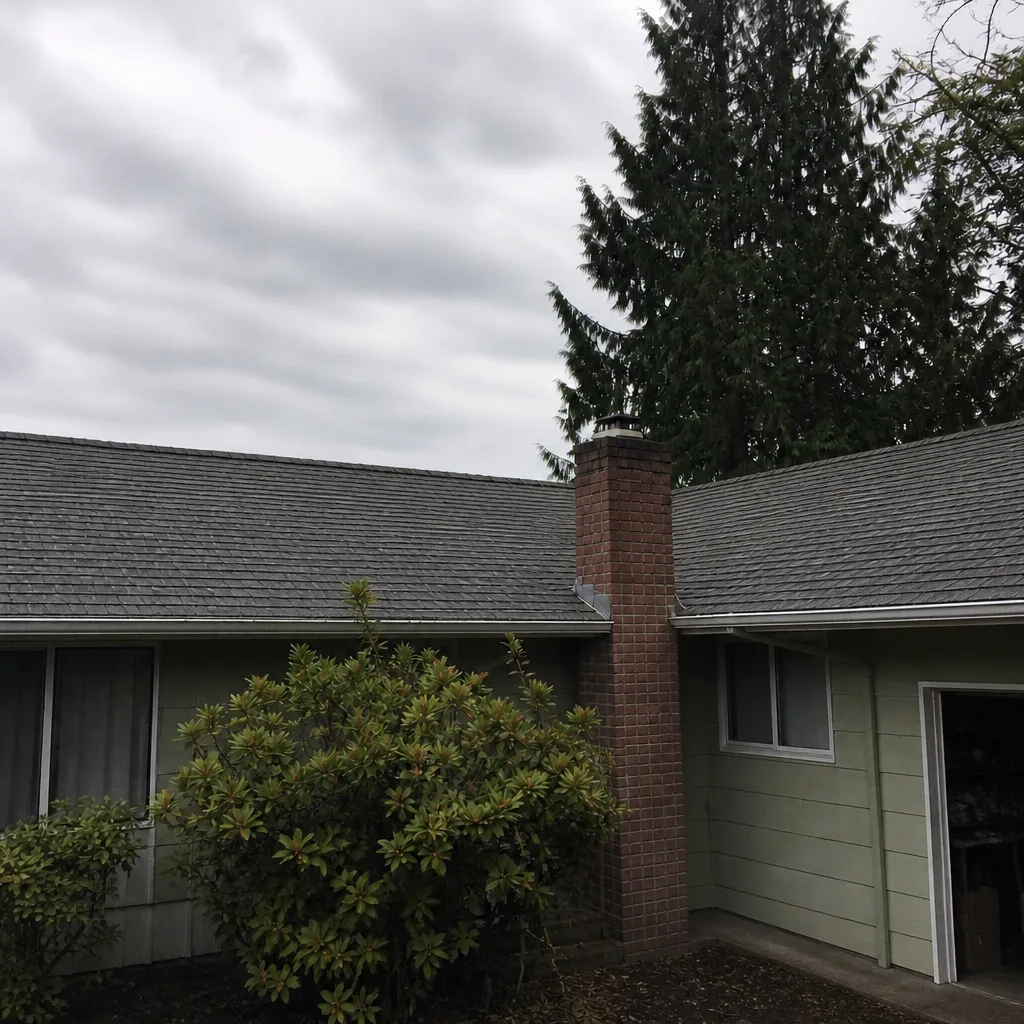
See the difference
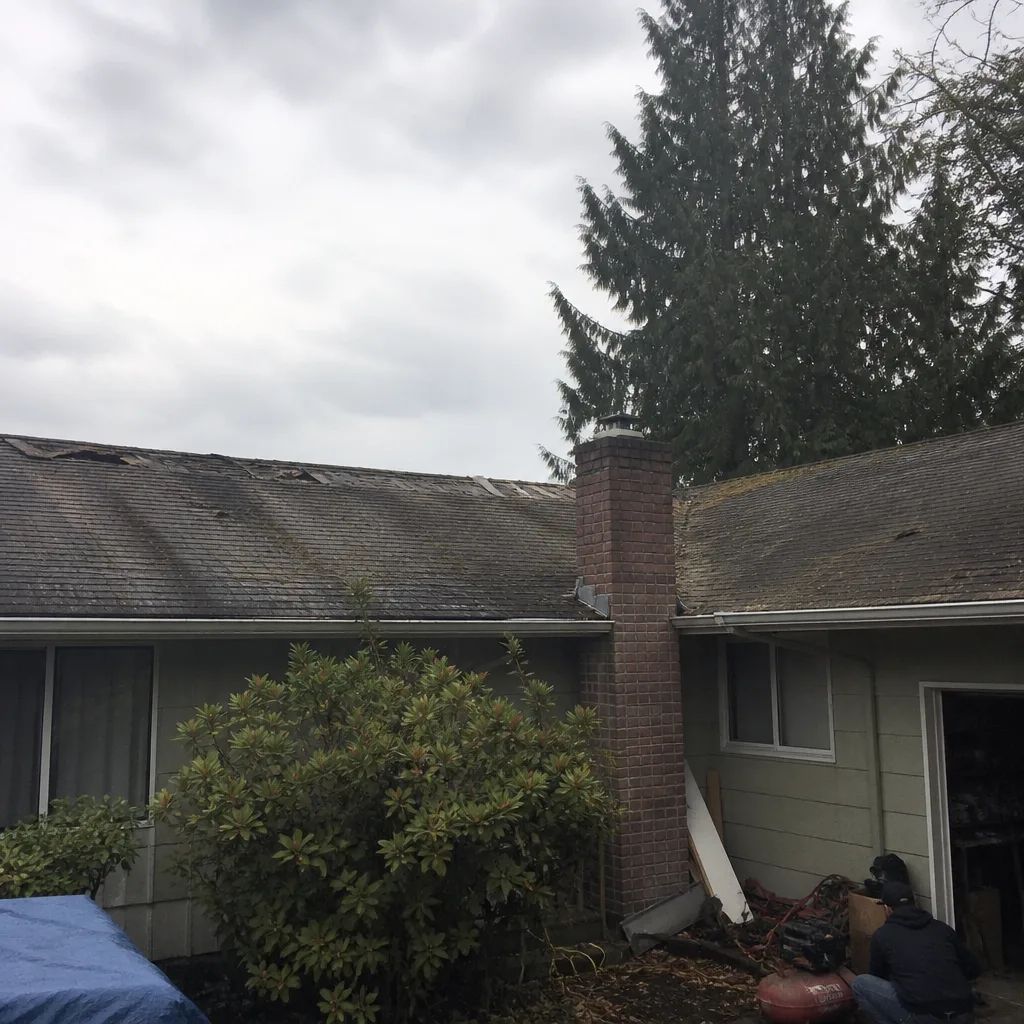 Before
 After
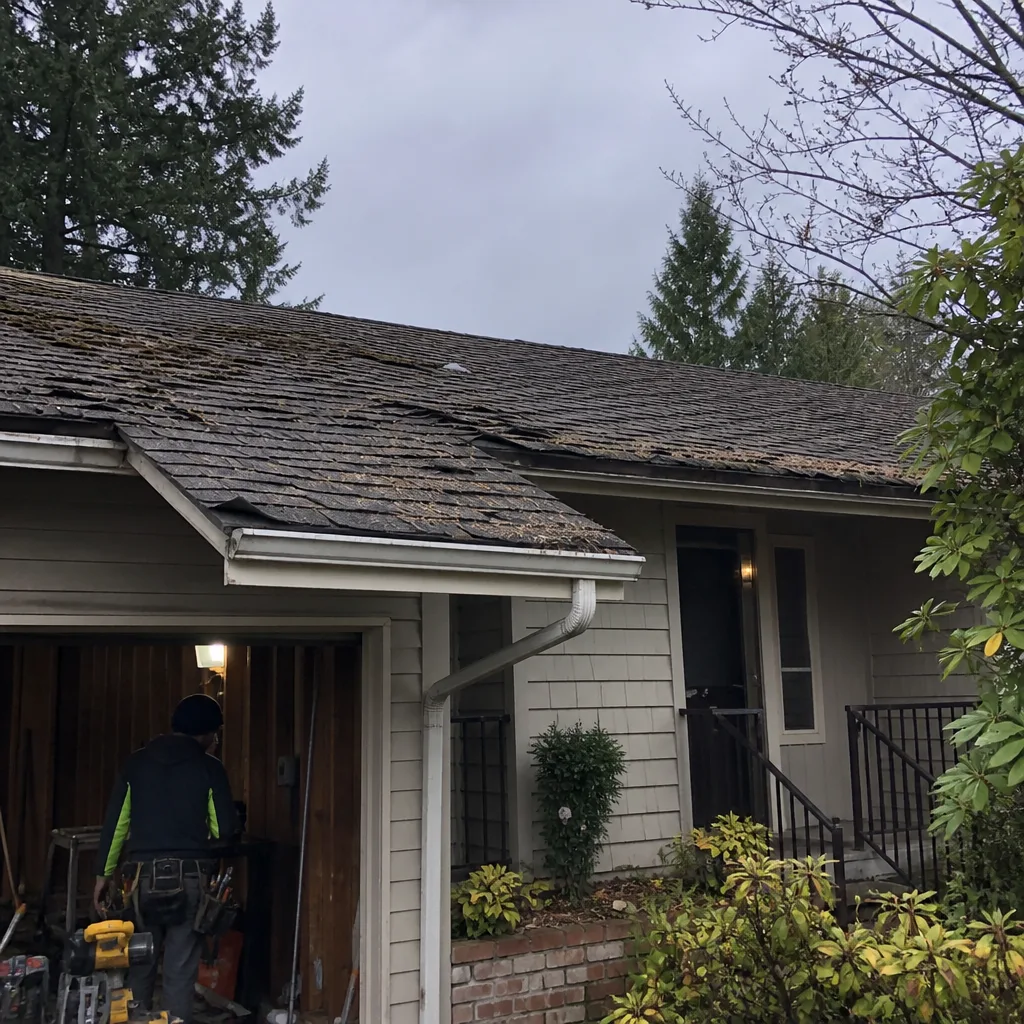 Before
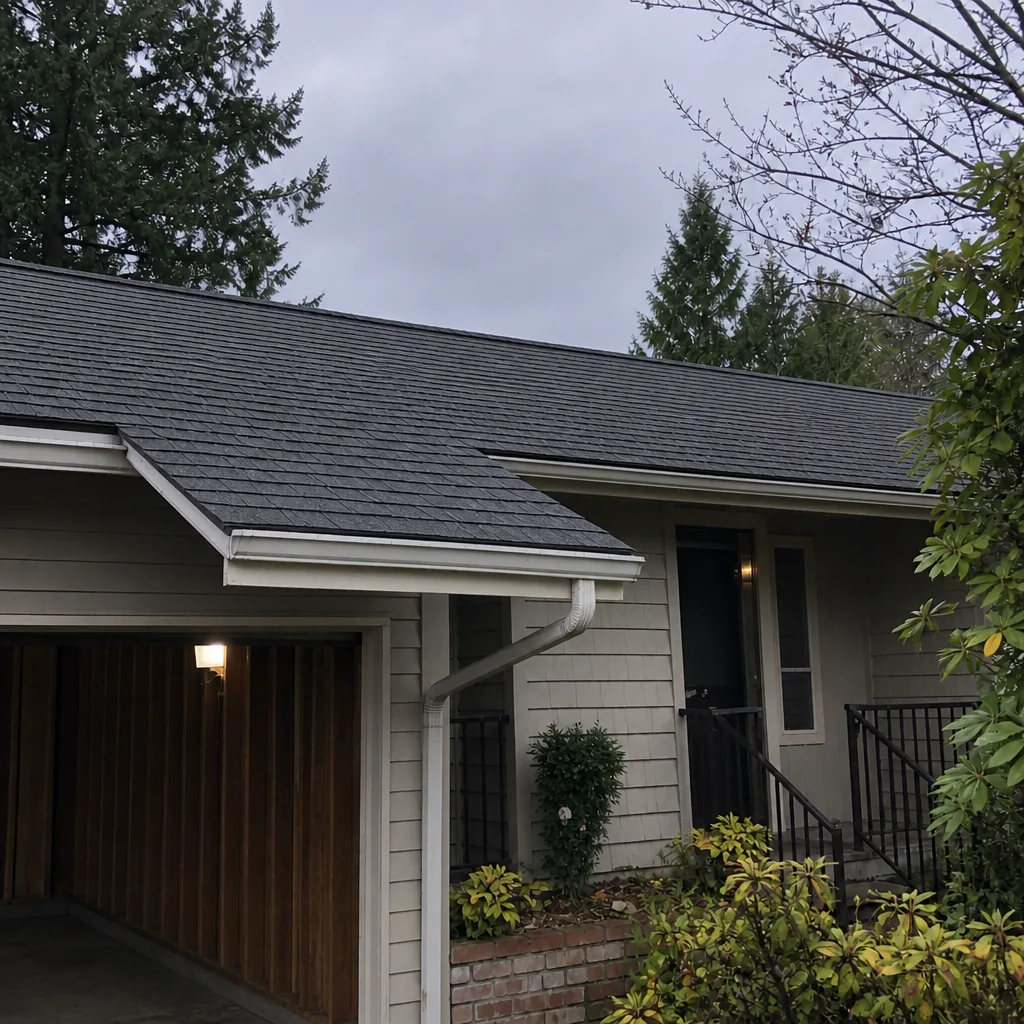 After
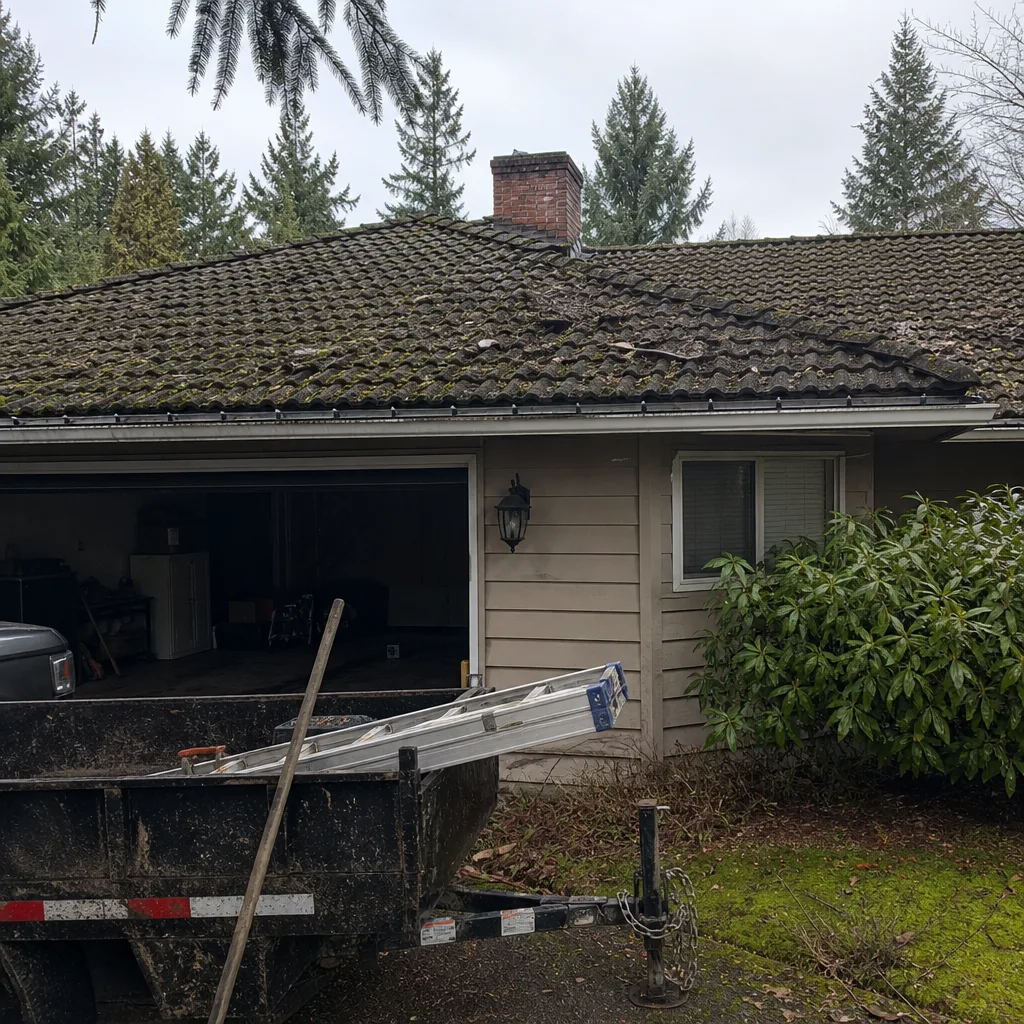 Before
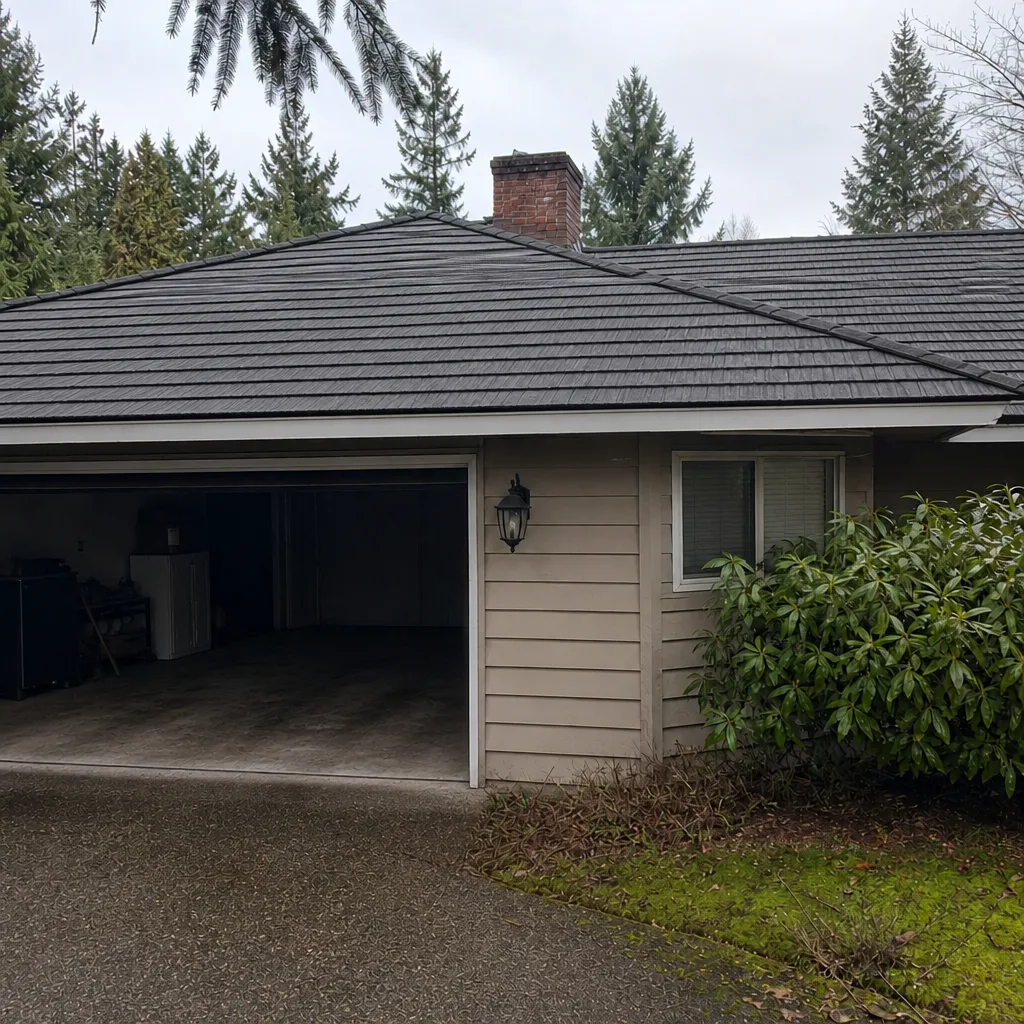 After